Introduction:
Patriarchal societies have existed from the beginning of time. Every time women attempted to advance in any aspect of life, they were stifled by the male-dominated culture. Nobody cared about their eating habits, what they liked, or what they needed to improve.
This is why there are so many articles on men’s health but few on women’s health. However, when education became more widely available, people began to understand the needs of women.
As a result, women’s health is becoming one of the most popular issues among the health-conscious community. Women are now deemed healthier than men and have positions of leadership in all aspects of society. Men, on the other hand, must rely on medications such as Tadalafil (Cialis) and Sildenafil (Viagra) to function normally.
So, What Should I Eat?
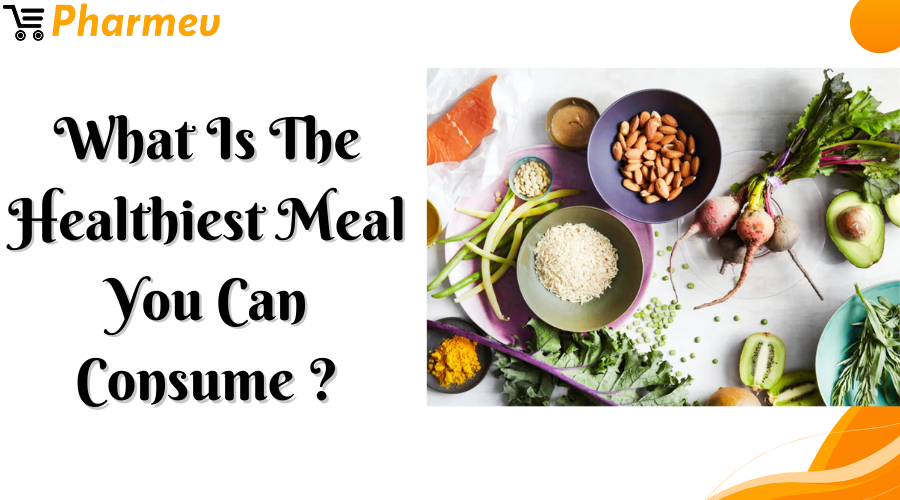
Using Harvard’s Healthy Eating Plate as a reference, we recommend eating largely vegetables, fruit, whole grains, healthy fats, and proteins. We recommend drinking water instead of sugary beverages and discuss common dietary concerns such as salt and sodium, vitamins, and alcohol. It’s also critical to stay active and maintain a healthy weight.
The core message: Focus on the quality of your nutrition
The kind of carbohydrate in the diet is more essential than the quantity, because some carbohydrate sources, such as vegetables, fruits, whole grains, and legumes, are healthier than others.
The Healthy Eating Plate also recommends consumers avoid sugary beverages, which are a major source of calories in the American diet.
The Healthy Eating Plate encourages consumers to use healthy oils and does not specify the maximum amount of calories that should come from healthy fat sources. In this way, the Healthy Eating Plate contradicts the USDA’s decades-long promotion of low-fat eating.
The Healthy Eating Plate summarizes the most current evidence-based nutritional information available. As nutrition researchers uncover new facts, The Healthy Eating Plate will be modified to reflect discoveries.
What Should I Eat to Keep Healthy?
The most important thing you can do to eat properly is limit your intake of processed and refined foods. These foods are high in refined sugar, which causes inflammation and reduces bone density. Many processed and refined foods are anti-nutritional, which means they deplete your body’s vitamins and minerals. As a result, our body lacks the vitamins and minerals it needs to maintain balanced chemical and hormonal production.
Because of this, we should consume a variety of vitamin and mineral-rich foods. Almost no one in the developed world is malnourished in macronutrients (proteins, carbs, and fats) because these are considerably easier to consume. However, approximately 98% of us are undernourished in micronutrients.
In your diet, include starchy foods
Starchy foods should account for more than one-third of your total meal intake. This indicates that your meals should be centered on these foods.
Choose whole grains or entire meals. Starchy foods include brown rice, whole wheat pasta, and brown, whole wheat, or high-fiber white bread.
They have more fiber and, in most cases, more vitamins and minerals than white types.
Potatoes in their skins are high in fiber and vitamins. For example, while eating boiled or jacket potatoes, consume the skin as well.
Fruits and berries
Fruits and berries are common health foods.
They are sweet, nutritious, and simple to add to your diet because they take little or no preparation.
- Apples
Apples contain fiber, vitamin C, and a variety of antioxidants. They are incredibly filling and make an excellent snack if you are hungry in between meals.
- Avocados
Avocados are unique among fruits in that they contain a high concentration of healthful fat. They are high in fiber, potassium, and vitamin C, in addition to being creamy and pleasant. Replace mayonnaise with avocado as a salad dressing or spread on toast for breakfast.
- Bananas
Bananas have high levels of potassium. They are high in fiber and vitamin B, as well as easy to transport.
- Blueberries
Blueberries are tasty and strong in antioxidants.
- Oranges.
Oranges have a high vitamin C concentration. Additionally, they are abundant in fiber and antioxidants.
- Strawberries
Strawberries are very nutritious and low in carbohydrates and calories.
They are high in vitamin C, fiber, and manganese, and make an excellent dessert.
- Eggs
Eggs are quite nutritious. Once despised for their high cholesterol content, experts now regard them as a valuable source of protein with potential health advantages.
Meats
- Lean beef
Lean beef is a great source of protein if consumed in moderation. It also delivers highly bioavailable iron.
- Chicken breast
Chicken breast has a low fat and calorie count, but high protein content. It is a rich source of several nutrients.
- Lamb, mutton
Sheep are frequently grass-fed, and their flesh is higher in omega-3 fatty acids than omega-6.
Nuts and seeds
Despite its high unsaturated fat and calorie content, nuts and seeds may reduce the risk of cardiovascular disease, cancer, and other health problems. They are a satisfying snack that may aid with weight loss.
They also take no preparation, making it simple to incorporate them into your daily routine. They can also give texture to salads and other foods.
- Almonds
Almonds are a popular nut that contains vitamin E, antioxidants, magnesium, and fiber. According to a 2021 review, almonds may help with weight loss, gut microbiome support, improved thinking, stress-related heart rate management, and skin aging prevention.
- Chia Seeds
Chia seeds are a nutritious addition to the diet. One ounce (28 grams) contains 11 grams of fiber and large levels of magnesium, manganese, calcium, and other minerals.
- Coconuts
Coconuts contain fiber and medium-chain triglycerides (MCTs).
- Macadamia nuts
Macadamia nuts are flavorful, contain more monounsaturated fats, and have fewer omega-6 fatty acids than most other nuts.
- Walnuts
Walnuts are very healthy, and abundant in fiber, vitamins, and minerals. To season a salad, add feta cheese.
- Brazil nuts
Brazil nuts are nutrient-dense and have a buttery feel. They contain minerals that help with thyroid function and are high in selenium.
Vegetables
Vegetables are one of the most nutrient-dense foods. Including a variety of vegetables in your diet ensures that you acquire a wide range of nutrients.
- Asparagus
Asparagus is a popular vegetable that is low in carbohydrates and calories yet high in vitamin K.
- Bell pepper
Bell peppers can be red, yellow, or green. They’re crisp, sweet, and full of antioxidants and vitamin C.
- Broccoli
Broccoli is a cruciferous vegetable that tastes delicious both fresh and cooked. It is high in fiber, vitamins C and K, and provides a reasonable amount of protein when compared to other vegetables.
There is a saying that to gain success in life, we must make sacrifices. Similarly, if eating broccoli can do the same thing as taking medications like Vardenafil (Levitra) and Avanafil (Stendra) to stay healthy, people will always opt to eat broccoli.
- Carrots
Carrots are a common root vegetable. They’re sweet, crunchy, and full of minerals including fiber and vitamin K. They are also high in carotenoid antioxidants, which have a variety of benefits.
- Garlic
Garlic is a nutritious and flavorful complement to salads and cooked savory foods. It contains allice, which has both antioxidant and antibacterial properties. Its nutrients could potentially lower the risk of cancer and cardiovascular disease.
- Kale
Kale contains fiber, vitamins C and K, as well as other nutrients. It provides a pleasant crunch to salads and other foods. It can also be used in stir-fries or baked into crunchy kale chips.
- Onions
Onions have a strong flavor and occur in a variety of recipes. They contain several bioactive chemicals thought to offer health advantages.
Consume less saturated fat, sugar, and salt
Too much-saturated fat raises the level of cholesterol in the blood, increasing the risk of developing heart disease.
Consuming sugary meals and beverages regularly raises your chances of being obese and developing tooth damage.
Eating too much salt can raise your blood pressure, increasing your chance of developing heart disease or suffering a stroke.
See 8 healthy eating ideas to learn more about why you should limit your intake of saturated fat, sugar, and salt, what foods contain them, and how to make healthier choices.
Reduced risk of cancer
A person may consume antioxidant-rich foods to lower their risk of developing cancer by preserving their cells from damage.
The presence of free radicals in the body raises the risk of cancer, while antioxidants help to eliminate them, lowering the possibility of the disease.
Many phytochemicals found in fruits, vegetables, nuts, and legumes, such as beta-carotene, lycopene, and vitamins A, C, and E, function as antioxidants.
According to the National Cancer Institute, laboratory and animal research have linked specific antioxidants to a lower risk of cancer-related free radical damage. However, human trials are inconclusive, and doctors warn against using these dietary supplements without first consulting them.
- Berries, such as blueberries and raspberries
- Dark, leafy greens
- Pumpkin and carrots.
- Nuts and Seeds
They also discovered that a diet rich in vegetables, fruits, and fiber reduces the risk of colorectal cancer, whereas a fiber-rich diet lowers the chance of liver cancer.
Improved mood
Some data suggest that nutrition and mood are closely related.
In 2016, researchers discovered that high-glycemic-load diets may cause higher symptoms of depression and weariness in obese but otherwise healthy persons.
A high-glycemic-load diet is high in refined carbohydrates, which can be found in soft drinks, cakes, white bread, and biscuits. Vegetables, fruits, and whole grains have a lower glycemic index.
It is worth noting that the researchers emphasized the need for more research into the mechanisms that link food and mental health.
Better gut health
The colon contains a large number of naturally occurring microorganisms that perform vital functions in metabolism and digestion.
Certain bacterial strains also produce vitamins K and B, which are beneficial to the colon. They may also aid in the fight against pathogenic bacteria and viruses.
A high-fiber diet may reduce intestinal inflammation. A diet high in fiber vegetables, fruits, legumes, and whole grains may contain a mix of prebiotics and probiotics that assist healthy bacteria grow in the colon.
- Yogurt
- Kimchi
- Sauerkraut
- Miso
- Kefir
Prebiotics can help with a variety of digestive disorders, including irritable bowel syndrome (IBS) symptoms.
Diabetes management
- Manages their blood sugar levels.
- Maintain their blood pressure and cholesterol levels within goal ranges
- Prevent or delay complications of diabetes.
- Maintain a reasonable weight.
People with diabetes must minimize their use of foods containing added sugar and salt. They should also avoid fried foods rich in saturated and trans fats.
Getting better sleep
A range of problems, including sleep apnea, can disturb sleep cycles.
Sleep apnea develops when a condition persistently restricts the airways during sleeping. Obesity and excessive alcohol usage are also risk factors.
Reducing alcohol and caffeine use may assist a person in achieving peaceful sleep, regardless of whether they have sleep apnea.
Beet or Beetroot
Beetroot juice, often known as beetroot, is regarded as one of the most nutritious vegetable juices available. Beet or beetroot, which is rich in a variety of vitamins and minerals, is a crucial part of women’s diet. Beetroot has an adequate supply of magnesium, copper, and folate. It is incredibly beneficial to keep blood pressure under control.
Because of the confined environment in businesses, schools, and every area, competition is fierce. As a result, women have to labor 14 to 16 hours every day under stringent deadlines. Think about these women’s mental state.
Quick suggestions for a healthy diet
- Changing soft drinks to water or herbal tea
- Include fresh veggies in each meal and choose nutritious grains over refined carbs.
- Consuming entire fruits rather than juices.
- Limiting red and processed meats, which are heavy in salt and may raise the risk of colon cancer.
- Consuming more lean protein, such as eggs, tofu, salmon, and nuts
A cooking lesson can also help you learn how to integrate more vegetables into your meals.
Last Words:
We have everything we need to make our lives easier and more pleasant, but the prevalence of diabetes, obesity, stress, depression, stomach ulcers, and other disorders continues to rise. The primary cause of all of this distress is a poor diet.
We have substituted homemade food with packaged food, and we are wondering why we are experiencing this health crisis. Try Pharmev for a more organized healthcare regimen.