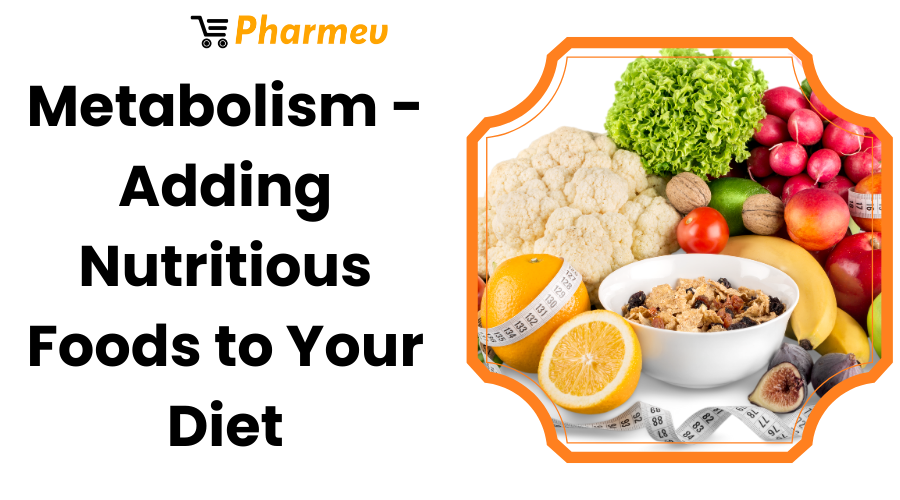
Introduction:
For energy, their body burns calories at this pace. An individual’s metabolic rate increases with muscular mass.
Certain meals can increase your metabolic rate—the quantity of calories your body burns on its own. By marginally increasing your metabolic rate, certain meals can help you maintain or enhance your metabolism, regardless of whether you aim to lose or reach your target weight.
Although eating too many of these foods may not result in weight loss, they should be a component of a well-balanced diet that supports weight management. Below is a list of some of these foods that increase metabolism and their advantages.
What is Metabolism?
This is how our body naturally converts the energy from our meals and beverages into the energy it needs to function. This covers everything like our breathing and heartbeat. This never stops, not even when we’re asleep.
The metabolic rates of various individuals vary. An increase or decrease in metabolic rate can be caused by a variety of circumstances, such as:
- Age
- Biological sex
- Body composition
- Body size
- Diet
- Genetics
- Health conditions
- Muscle mass
- Physical activity
Even though some people associate metabolism with weight gain and loss, sluggishness, this is often not the cause of weight gain. A bigger part of that is your diet and level of exercise.
Genetics has a big impact on this. However, there are a few lifestyle changes you may implement that can help speed up your metabolism.
One of the main reasons someone would desire to increase their metabolism is that it’s important for weight reduction.
The speed at which these processes take place is known as the metabolic rate, and it varies according to age, sex, muscle mass, degree of exercise, and heredity. A healthy metabolism guarantees that our bodies employ nutrients to support life and effectively transform food into fuel.
Several health issues, including metabolic diseases like diabetes and hypothyroidism, can result from disturbances in metabolic processes.
What Are The Foods That Affect Metabolism The Most?
Your metabolism may be greatly impacted by certain meals, either by increasing calorie burning or by promoting the effectiveness of metabolic processes. You may improve your ability to burn fat, normalize blood sugar levels, and raise energy expenditure by including these items in your diet.
It has also been demonstrated that these teas increase fat oxidation, which makes it easier for the body to burn fat.
The body must use more energy to reheat cold water, in particular, to body temperature, which increases calorie expenditure.
Advice for a Diet That Is Better for Metabolism
A balanced diet that contains nutrients that increase metabolism and support general health is crucial for optimizing your metabolism. Proper macronutrient balance, nutrient-dense meals, and plenty of water are the main components of a diet that promotes metabolic efficiency.
Your body uses more calories when digesting protein than when digesting fats or carbs because protein has a strong thermic effect of food (TEF).
Because whole grains are high in fiber, digestion is slowed down, and blood sugar levels are maintained. They offer your metabolism a little boost since they take more energy to digest than refined grains.
Fiber prevents energy dips by supporting a constant blood sugar level and a healthy digestive system. Fiber also helps people control their weight by making them feel fuller and consuming fewer calories overall.
Processed foods can slow down metabolism, raise blood sugar levels, and cause weight gain since they are frequently heavy in harmful fats, sugars, and refined carbohydrates. These foods are deficient in vital elements that promote healthy metabolism.
Your metabolism stays active when you eat smaller, more balanced meals throughout the day. Due to the body going into “starvation mode” and conserving energy, skipping meals might slow down metabolism.
How Can I Reset My Metabolism Or Increase It Quickly?
Changing your food, lifestyle, and level of physical activity can help reset or speed up your metabolism by encouraging your body’s natural capacity to burn energy more effectively.
Regular strength training is one of the best methods because it increases lean muscle mass, and since muscle burns more calories at rest than fat, having more muscle increases you’re resting metabolic rate.
Because it increases your metabolism during and after exercise, HIIT is yet another effective strategy. Overeating or crash dieting can reduce metabolism over time, therefore, it’s important to eat adequate calories, especially protein-rich meals.
- Strength Training
By working against resistance, strength training—also referred to as resistance training or weightlifting—is a type of physical activity that aims to increase and sustain muscle strength and endurance.
Resistance bands, equipment, free weights, or even your body weight can provide this resistance. In addition to building muscle, strength exercise is crucial for improving your metabolism.
Your body burns more calories at rest when you gain more lean muscle because muscular tissue is metabolically active and needs more energy to maintain than fat. This implies that throughout the day, your body uses more energy even when you’re not exercising.
- Enough Calories
For a healthy metabolism and general body function, eating adequate calories is crucial. Your body slows down your metabolic rate to preserve energy when you don’t get enough calories, especially over a long period. It becomes more effective at burning fewer calories as a result, which might hinder weight reduction and leave you feeling exhausted, agitated, and cognitively confused.
Undereating can also result in immune system weakness, vitamin shortages, muscle loss, and hormone abnormalities in severe cases. In addition to doing physical tasks, your body requires a minimal quantity of energy to maintain essential life functions like breathing, digesting, and cell repair.
- Protein Intake
Consuming protein is essential for increasing metabolism, promoting muscular growth, and preserving general health. One of the three macronutrients, protein, is unique because it has a high thermic effect of food (TEF), meaning that it requires more energy for your body to digest and absorb than the other two.
During digestion, around 20–30% of the calories in protein are burned, compared to only 5–10% and 0–3% for carbohydrates and lipids.
Foods high in protein are therefore especially useful for promoting a quicker metabolism. Lean muscle mass preservation and growth also depend on protein, particularly when strength exercise is included.
Having greater muscle mass increases the resting metabolic rate because muscle burns more calories than fat at rest. Consuming enough protein also prolongs feelings of fullness, which lessens cravings and facilitates weight management.
- Stay Hydrated
Maintaining proper hydration is an easy but effective strategy to promote a healthy metabolism and general body function. Water is essential for almost all metabolic functions, including digestion, nutrient absorption, temperature control, and food conversion to energy.
Your energy levels, metabolism, and physical and mental performance can all be negatively impacted by even minor dehydration. Your body functions well when you’re properly hydrated, which includes burning calories more efficiently.
Additionally, drinking water can cause water-induced thermogenesis, a brief rise in metabolic rate. A tiny but significant calorie burn occurs when you drink cold water because your body must use energy to get it up to body temperature.
- Sleep Well
For a healthy metabolism and general well-being, getting enough sleep is one of the most important yet often disregarded aspects of life. Your body completes vital repair functions, balances hormones, and manages appetite, energy expenditure, and fat storage while you sleep.
Sleep deprivation throws off your body’s chemical equilibrium. An imbalance in important hormones, such as ghrelin and leptin, frequently results in increased appetite, cravings, and overeating.
Additionally, getting too little sleep causes the stress hormone cortisol levels to rise, which can slow down metabolism and cause fat to accumulate, especially around the midsection.
- Eat Breakfast
One important practice that can help maintain a healthy metabolism and set the stage for balanced energy and appetite throughout the day is eating breakfast.
Your body’s energy levels are low after a night of fasting, so eating a healthy breakfast helps “break the fast” by boosting your metabolism and providing your body with the food it needs to work effectively.
Skipping breakfast may cause your body to store energy, which might lower your metabolic rate, particularly if it starts to happen frequently.
Furthermore, missing breakfast might make you feel hungrier later in the day, which frequently leads to overeating or the selection of unhealthy, high-calorie items.
- Add Spicy Foods
Incorporating spicy foods into your diet is a tasty approach to naturally increase your metabolism. It has been demonstrated that substances like capsaicin and piperine, which are found in spices like chili peppers, cayenne, jalapeños, and even black pepper, can momentarily raise the body’s metabolic rate.
The process by which your body produces heat and energy from breaking down food is called thermogenesis, and capsaicin in particular promotes this process, which can result in a little boost in calorie burning.
Additionally, by encouraging fat oxidation, this thermogenic impact may make your body somewhat more adept at burning fat for energy.
- Reduce Stress
Stress reduction is an important but sometimes disregarded component of maintaining a healthy metabolism and general well-being. Your body’s “fight or flight” reaction includes the production of the hormone cortisol, which is triggered by prolonged stress.
Short-term increases in cortisol can be beneficial, but long-term increases brought on by ongoing stress might harm your metabolism and general health.
Your body’s capacity to effectively burn fat is also impacted by stress. Consistently elevated cortisol levels can slow down fat metabolism, making weight loss more difficult.
Minerals and Vitamins for Metabolism
Minerals and vitamins are essential for the best possible metabolism. They aid in the conversion of food into useful energy, facilitate effective digestion, and control the creation of energy.
Energy generation and metabolism depend on the B vitamins. They assist the body in converting proteins, lipids, and carbs into usable energy. A lack of these vitamins can cause poor nutritional absorption, tiredness, and a slow metabolism.
Vitamin D is essential for controlling insulin and fat metabolism. It keeps bones healthy and the immune system functioning properly. Increased fat accumulation and poor metabolic health have been linked to low vitamin D levels.
More than 300 enzymatic functions in the body depend on magnesium, many of which are essential for metabolism and energy generation. Blood sugar levels and the metabolism of proteins and lipids are both regulated by it.
Zinc is essential for metabolism and is involved in hundreds of enzyme activities. It is essential for the production of proteins, the control of hormone levels, and the immune system.
Vitamin C aids in the body’s absorption of iron, which promotes metabolism and energy generation. Furthermore, it has been associated with a decrease in body fat and may contribute to fat oxidation.
A range of entire foods, such as lean proteins, healthy fats, vegetables, fruits, whole grains, and legumes, will naturally provide your body with the vitamins and minerals it needs to operate at its peak, so aim to consume a variety of these to keep your metabolism healthy.
Diet and Metabolism
In other words, your diet may either help or hurt the many processes your body employs to turn food into energy. Meal planning, dietary balance, and food selection may all increase energy generation, encourage fat burning, and maximize metabolism.
This is boosted by eating breakfast after a night of fasting. A nutritious, high-protein, high-fiber breakfast can help control blood sugar levels and avoid overindulging later in the day.
It is crucial to consume enough calories to meet your body’s daily energy requirements to maintain a healthy metabolic rate. While eating a balanced diet rich in nutrients might promote optimal metabolic function, consuming too few calories can decrease metabolism.
Steer clear of refined carbohydrates that might alter blood sugar levels and impair metabolic efficiency, such as white bread, spaghetti, and sugary snacks.
For your metabolism to remain active, try to eat often throughout the day. Eating every three to four hours might help keep your metabolism from slowing down.
To aid in muscle recovery and increase metabolism, you may want to eat a protein-rich supper or snack after your workout if you’re an active person.
Enhancing Your Diet with Nutritious Foods to Promote Metabolism
Incorporating nutrient-dense foods into your diet can help your body produce more energy and increase its capacity to burn calories while also boosting metabolism. Optimizing your metabolic processes, managing weight, and enhancing your general health are all possible with a well-balanced diet.
- Lean Protein: Fuel for Your Metabolism
One of the most effective ways to increase metabolism is to consume lean protein. It is essential for growing muscle, producing energy, and maintaining general metabolic health.
A major contributor to raising your metabolic rate is muscle mass. Lean protein aids in muscle development, repair, and maintenance, particularly when paired with resistance or strength training. Having more muscle raises your total metabolic rate even when you’re not exercising, since muscular tissue needs more energy to maintain than fat tissue.
One important factor in supporting a healthy metabolism is lean protein. In addition to promoting muscle development, it also stabilizes blood sugar, lessens appetite, and increases calorie burning through the thermic effect of meals.
- Fiber-Rich Foods: Boost Digestion
In terms of digestion, general metabolic health, and weight control, fiber is an important nutrient. Fiber is not broken down or absorbed by the body as other nutrients like lipids, proteins, and carbs are. Instead, it mostly survives its passage through the digestive system, supporting several essential body processes. You may enhance digestive health, increase metabolism, and control blood sugar levels by including foods high in fiber in your diet.
Fiber improves the passage of waste through the digestive tract and gives stool more volume, which helps to encourage regular bowel movements and avoid constipation. This guarantees that nutrients are absorbed effectively and maintains the health of your digestive system.
- Healthy Fats: Support Hormonal Balance
Hormonal balance, metabolism, and general health are all greatly aided by healthy fats. Although your body needs them to function at its best, they are frequently misinterpreted or mistakenly excluded from diets.
Numerous physiological processes, including the absorption of nutrients, the synthesis of energy, and the regulation of hormones that have a direct effect on metabolism, depend on healthy fats.
Your body’s ability to burn fat and store energy is one of the metabolic processes that these hormones directly regulate. Your metabolism runs smoothly when you eat adequate good fats because they help maintain the balance of these hormones.
A balanced insulin level makes it easier for your body to burn fat and use glucose for energy instead of storing it.

- Green Tea and Coffee: Natural Boosters
Green tea is one of the most popular drinks in the world, and with good reason. Their ability to increase metabolism is well-known. Whether you like a calming mug of green tea or a newly prepared cup of coffee, these beverages provide more than just a caffeine boost.
The active component in coffee and green tea, caffeine, can encourage the fat reserves to release fatty acids, which can then be used as fuel. This process speeds up your metabolism and improves how well your body burns fat, particularly while you’re exercising.
Caffeine can raise energy expenditure by 3–11% in people who frequently use it, according to studies. These beverages can help you maintain or lose weight over time by boosting calorie burn.

- Spicy Foods: Heat Your Metabolism
More than merely tantalizing your taste senses, spicy foods—often found in meals from many international cuisines—can also speed up your metabolism. The primary element in chili peppers, capsaicin, is a molecule that is present in many hot foods and holds the key to the solution.
Capsaicin has been demonstrated to lower hunger, enhance metabolic rate, and encourage fat burning.
By enhancing the body’s production of heat, capsaicin, the chemical that gives chili peppers their spiciness, promotes thermogenesis.
Your body may burn more calories throughout the day, even while you’re at rest, as a result of this increased energy expenditure.
- Water: Dehydration is Key to a Healthy
Life cannot exist without water, and its importance in metabolism cannot be emphasized. Water is essential for almost all body processes, including digestion, vitamin absorption, and waste elimination, making it the foundation of a healthy metabolic system. Drinking enough water keeps your body functioning at its best when it comes to metabolism.
Constipation, slower digestion, and less effective food absorption might result from dehydration, which slows down these processes.
The body can more easily obtain and absorb the nutrients required for energy generation and metabolic processes when it consumes enough water to aid in the breakdown of meals.
You may lose weight by managing portion sizes and preventing overeating by drinking a glass of water before meals. This will help you feel replete more quickly.
- Cruciferous Vegetables: Support Detoxification
Cruciferous veggies are a great way to gain dietary fiber, which is important for a healthy digestive system. Fiber maintains a healthy gut, prevents constipation, and helps control bowel movements. Effective metabolism depends on a healthy digestive system because it permits waste items to be eliminated and nutrients to be properly absorbed.
Fiber also contributes to the gradual release of sugar into the bloodstream, which helps to keep blood sugar levels steady and lessen insulin spikes, both of which support metabolic balance.
In addition to improving the liver’s ability to digest fats and get rid of waste, regular consumption of cruciferous vegetables can help lower the toxic load on your body and promote metabolic health.
- Apple Cider Vinegar: Metabolism-Boosting
Because ACV slows down the digestion of carbohydrates, blood sugar levels increase more slowly when it is taken before or after meals. Keeping blood sugar levels steady is essential for preserving a healthy metabolism and avoiding insulin resistance, which can impede fat loss and encourage fat storage.
The process by which the body burns calories and generates heat is called thermogenesis. With its ability to promote thermogenesis, ACV can increase your body’s daily calorie expenditure. Because ACV contains acetic acid, which improves the body’s capacity to produce heat, it may enhance calorie expenditure.
By increasing insulin sensitivity, ACV makes it easier for your body to use fat as fuel, which might help you lose weight, especially around your abdomen.
- Cinnamon: Regulate Blood Sugar
Bioactive substances found in cinnamon, such as cinnamon aldehyde, have been demonstrated to increase insulin sensitivity. By facilitating the absorption of glucose from the circulation by cells, the hormone insulin aids in blood sugar regulation.
Insulin resistance, elevated blood sugar, and ultimately diseases like type 2 diabetes can result from the body’s decreased sensitivity to insulin.
This lessens the chance of blood sugar spikes and falls, which can impair metabolism and lead to fat accumulation.

A Comprehensive Guide to the Everlywell Metabolism Test
This test is intended to give people information about their metabolic health and is conducted at home. With the popularity of at-home testing kits for various wellness and health indicators, Everlywell has become a well-known provider of testing solutions with scientific support.
In particular, the goal of the Metabolism Test is to gain a better knowledge of how the body uses and processes energy, which may help with things like weight management, metabolism, and general health.
Obesity and metabolic problems can result in leptin resistance, which can cause overeating and weight gain.
In addition to disrupting metabolic processes, high or persistently raised cortisol levels can cause weight gain, particularly in the abdominal region.
Does Increasing Muscle Mass Improve Metabolism?
Strength training activities increase muscular mass, which raises metabolism. This implies that your BMR will increase as your muscle mass increases. The biggest predictors of BMR are your genetic composition and overall muscle mass.
The post-exercise calorie-burning effect known as EPOC is another benefit of strength training. The body needs more oxygen to return to its resting condition after vigorous activity, which causes the body to burn more calories after the workout.
According to research, this may also increase metabolism for a while following exercise.
Last Words:
Although this mineral is helpful for your blood health and raises blood pressure, you can tell how effective it is in treating erectile dysfunction.
Therefore, in addition to the medications you get from Pharmev pharmacy, consider eating meals high in magnesium. The ideal assistance you require will be obtained by them.
Therefore, don’t decide to use supplements constantly. Instead, start consuming more natural foods to help you. Your system will benefit from it far more than from the pills.