Introduction:
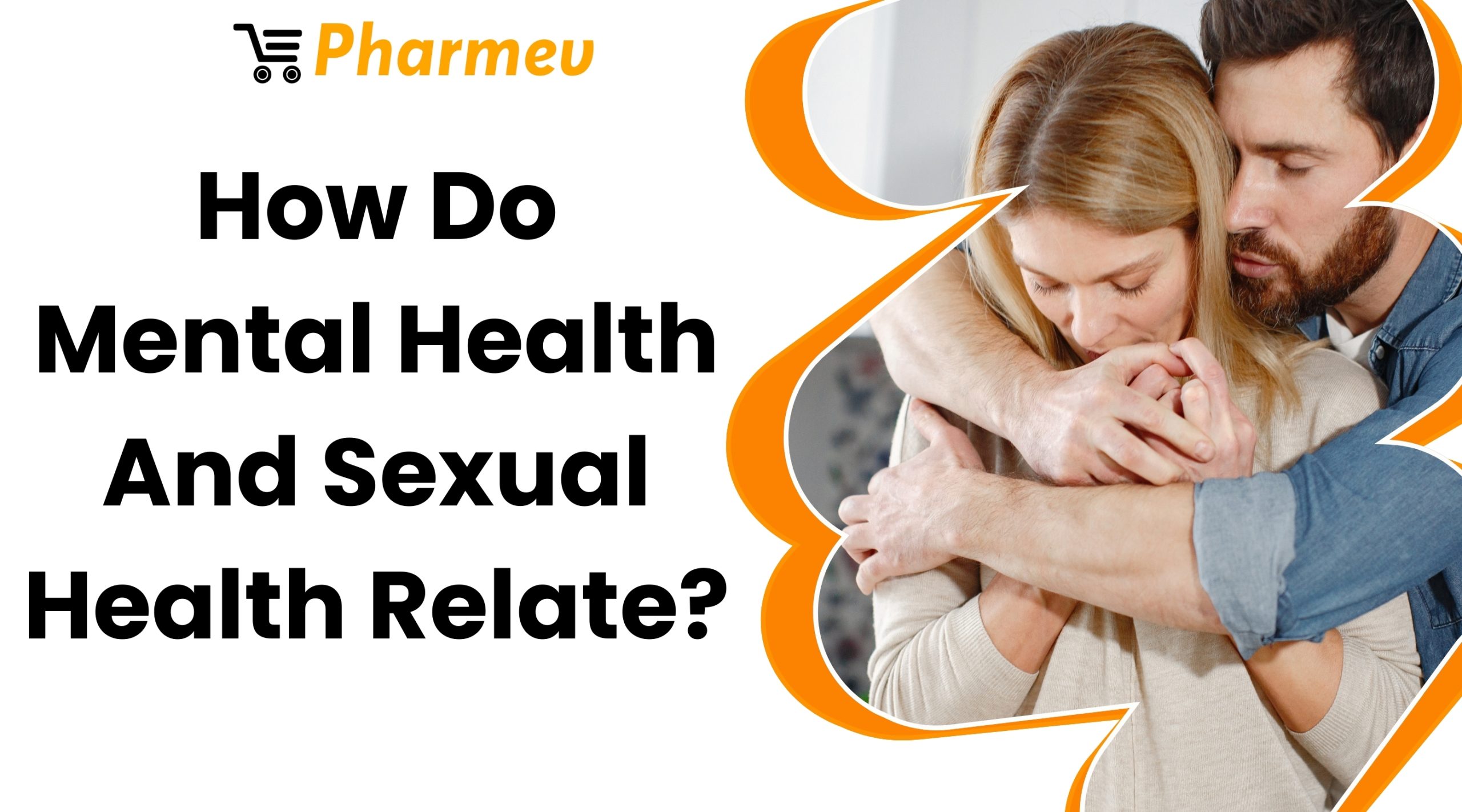
Are you aware that the state of your mental health might reveal how content you are with your current sexual life? If this is good, you probably enjoy a pleasant and fulfilling sexual life.
However, there exists a negative correlation between poor mental health and sexual activity. Research indicates that the majority of people may have problems such as erectile dysfunction. If you have this problem, you could even need to take sildenafil brands.
When it comes to one’s sexuality, sexual health encompasses one’s physical, mental, emotional, and social well-being. Well-being, general health, and general quality of life all depend on it. It is not just about not having a disease, malfunction, or disability. The opportunity to have safe, enjoyable sexual encounters free from violence, prejudice, and coercion is essential for sexual health, as is a respectful and upbeat outlook on sexuality and sexual relationships.
A large portion of our sexual lives take place in our brains, despite the common misconception that sex happens in our bodies. For both sexes, it is important to realize that arousal and maintenance are greatly influenced by our thoughts and feelings.
Because of unwanted distractions or fears, mental health conditions like anxiety, depression, or other mental health issues might make it difficult to feel at ease enough to enjoy or have sex. When someone is very sick and finds it difficult to function, they rarely think about having sex. A person’s sense of self-worth can be damaged by the battle of mental illness, in all its manifestations, and they may feel unworthy of sexual attention.
There is evidence linking sexual dysfunction to depression, anxiety, bipolar illness, and psychosis. All of these mental health issues include symptoms that might impact a person’s sexuality, which is at least partly to blame for this. They may specifically be a factor in reduced levels of sexual pleasure, arousal, and desire.
Furthermore, there are situations when the therapy for certain disorders might have unfavorable sexual side effects. An example of an antidepressant that may affect a person is selective serotonin reuptake inhibitors (SSRIs). Poor arousal, erectile dysfunction, and poor libido have all been linked to these drugs.
Mental Health’s Impact on Male Sexual Performance
Sexual health in our culture is nearly often discussed from a physiological point of view, with little consideration given to mental health. Although the relationship between sexual health, body image, and self-esteem is sometimes disregarded, it is vital in determining personal experiences and general well-being.
Although the body is where sensuality starts, the mind plays a significant part as well. A more active role is played by mental health when it comes to concentrating on the global aspect of sexual performance. It applies an unalienable inclination to shape an individual’s health, sexual functioning, and sexual enjoyment.
Recent statistics show that over 81 percent of males worldwide are estimated to have at least one sexual health condition during their lifetime. To maximize mental health, it is vital to investigate how male sexual performance is influenced by mental health.
It is now essential to understand that the mind and body are linked when it comes to sexual activity and that any disruption in feelings, mood, or thought can affect how male physiology functions. Sexual functioning and performance are included in this as sexual response is a complex process that may entail psychological elements.
The term “sexuality” comes from the root word “function,” and the mind is the primary component of sexual function. This is closely linked to sexuality-related thoughts, feelings, and beliefs, which in turn affect sexual fantasies and wants as well as performance levels. A man who is in good this is ultimately well-equipped with the comfort and confidence necessary to enjoy wonderful sex with his spouse, which improves sexual performance.
Anxiety and Sexual Activity: Their Relationship
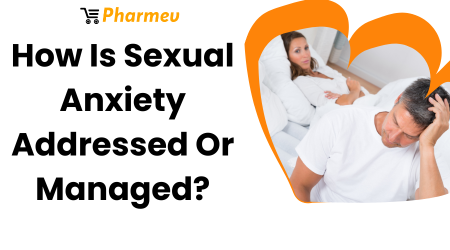
Both men and women with anxiety frequently experience this condition, which occurs when the mind and body are not in sync during intercourse—the body is aroused while the mind isn’t.
The founder and clinical director of the Center for Relationship and Sexual Health, as well as a therapist and psychotherapist, believes that anxiety is one of the main causes of erectile dysfunction in men. Many younger males in their 20s and 30s are coming in with ED. The biggest and most frequent cause of ED in young men, according to research, is anxiety, particularly in the early stages of a person’s sexual life when self-consciousness and performance-related stress are significant issues.
The erectile dysfunction is sustained because they become even more anxious when they aren’t ‘performing. But worry interfering with erectile concentration is what’s happening, not an erectile disease.
In addition to experiencing sexual dysfunction, women who suffer from anxiety may also have physical discomfort during sexual activity or difficulty becoming aroused or having an orgasm. From a physiological perspective, anxious women may experience pleasure feelings that are overridden by anxiety. Indeed, vaginal penetration pain condition, the most prevalent kind of sexual discomfort, is ten times more prevalent in women who have previously been diagnosed with anxiety disorders, according to current study.
Mental Health and Sexual Health: Understanding the Connection
There is a complicated and nuanced link between sexual well-being and mental health. The sexual well-being of an individual may be greatly impacted by mental health conditions including stress, anxiety, depression, and trauma. Sexual wellness issues including erectile dysfunction, low libido, or sexual pain disorders can also negatively impact mental health, resulting in relationship stress, feelings of inadequacy, and humiliation.
Considering how neurotransmitters and hormones control both mental health and sexual function, the link between the two becomes further clearer. Sexual dysfunction can result from conditions such as melancholy and anxiety that upset the delicate balance of these chemical messengers. However, psychological discomfort brought on by sexual trauma or dissatisfaction might exacerbate mental health conditions.
The Value of Getting Assistance for Mental Health
For several reasons, getting mental health treatment is essential. First and foremost, individuals’ relationships, general well-being, and quality of life can all be significantly impacted by mental health issues. Untreated trauma, anxiety, or depression can weaken a person’s resilience and capacity to handle day-to-day difficulties, which lowers their feeling of satisfaction and joy.
A person’s physical health, productivity at work, and social relationships can all suffer as a result of untreated mental health conditions.
There are other ways to get treatment for mental health problems, such as counseling, therapy, support groups, and, in certain situations, medication. People can acquire useful methods to better manage their symptoms, enhance their coping strategies, and strive toward a more balanced, healthy mental state by asking for help.
The Value of Asking for Assistance in Sexual Wellness
In a similar vein, treating issues related to this is essential for general well-being. Problems with sexual health can cause dissatisfaction, low self-esteem, and strained relationships. This is an essential aspect of human existence. Getting assistance in this area is crucial to regaining a happy and successful sexual life.
Thankfully, there are a lot of tools accessible for those who are having problems with their sexual well-being. Sexual well-being can be enhanced by self-discovery, communication techniques, medical treatments, and sex therapy. Seeking assistance in this area necessitates ending the stigma and secrecy around sexual disorders and realizing that everyone is entitled to a happy and fulfilled sexual life free from condemnation or shame.

The Link: Looking for Assistance with Holistic Health
Understanding the link between sexual and mental health makes it evident that getting treatment for both is essential for overall well-being. Because of their interdependence, both facets of our well-being can benefit from attention to one another.
People may observe a decrease in symptoms that have been affecting their sexual well-being by getting mental health treatment. Counseling and therapy may help people manage stress, deal with trauma, and boost their self-esteem—all of which can have a good effect on their sexual health.
On the other hand, people may observe gains in their mental health if they seek treatment for issues related to sexual well-being. Increased self-esteem, less worry, and an improved sense of general well-being might result from overcoming sexual dysfunction or unhappiness.
Relationships between sexual and mental health
A fulfilling personal relationship and a high quality of life are largely dependent on healthy sexual functioning. In the general community, sexual dysfunction is well-known, affecting over 43% of women and 31% of men in the US. About one-third of women claim that their sexual drive has reduced, making it the most prominent disorder among women.
Among males, erectile dysfunction and premature ejaculation are the most prevalent sexual dysfunctions. Despite the importance and increased prevalence of sexual dysfunction, the majority of those who experience it choose not to seek treatment because they are ashamed or do not believe it to be a medical issue.
Complex interactions between neurotransmitters, neuropeptides, and endocrine variables mediate and impact sexual function. Progesterone, oxytocin, prolactin, pheromones, cortisol, androgens, and estrogens are examples of endocrine factors. The pathogenesis and pharmaceutical management of major mental diseases are also influenced by neurotransmitters that are involved in sexual functioning, mainly dopamine, serotonin, and epinephrine.
Encouraging Help-Seeking Behaviors to Break the Stigma
This stigma is one of the biggest obstacles to getting care for sexual wellness and mental health. Many people experience humiliation or shame when they admit to having difficulties in these areas. Promoting candid discussions about this is crucial to removing these obstacles.
Misconceptions and stigmatization can be eliminated in large part via education and awareness. By giving people accurate information and establishing safe places for conversations, we can empower people to ask for assistance without worrying about prejudice or condemnation. To promote general well-being, it is essential to normalize the process of getting care for sexual and mental health issues.
Healthcare professionals must also address these subjects sensitively and intelligently. Professionals can facilitate people’s willingness to talk about their difficulties and seek the assistance they require by fostering a nonjudgmental atmosphere.
The Relationship between Sexual Health and Mental Health
By taking care of your sexual health, you may experience more than just the closeness of sex. While having sex might help you have a happy life, it also helps you stay mentally healthy. Sexual dysfunction problems, on the other hand, can affect your sexual health, self-esteem, and interpersonal relationships.
In Madison, Mississippi, Ovation Wellness’s sexual health professionals provide professional assistance for women’s sexual health at any stage of life. Our experts may help you maintain your sexual health by offering answers for your performance issues, comfort issues, and partner satisfaction in a tailored treatment plan.
- Chemical consequences of sexual activity
The production of endorphins, which are molecules that reduce pain and provide a morphine-like happy feeling, during intercourse is beneficial to your mental health. Engaging in sexual activity also increases the synthesis of serotonin, a hormone that elevates mood and combats anxiety and despair.
The sense of relaxation that occurs during orgasm is a result of both men and women experiencing a rise in prolactin levels. You feel calm and stress-free when you reach climax because orgasm releases the hormone oxytocin.
- Reduction of Stress
Just being near your spouse and caressing and holding those during intercourse might help reduce tension and anxiety. It provides many of the same advantages as exercise, including elevating your mood and making you feel happy, which may last into the next day.
Women who engage in physical closeness and sex report feeling less stressed and happier the next day, according to research. In addition, the impact causes the women to engage in greater sexual activity or physical tenderness with their partner the day after having sex, prolonging the reduction of stress.
- Enhanced mental well-being
This may help you feel better about yourself and take care of your mental health.
Research shows that having sex might enhance your capacity to recognize and communicate emotions. Higher degrees of closeness, trust, and love are encouraged by the impact, which can help you have better personal relationships.
The advantages of this can also counteract the negative impacts of age-related cognitive decline. Researchers discovered that more frequent sexual activity was associated with better memory function in a study of the sexual behaviors of over 6,000 adults over 50.
- Higher self-esteem
You might feel more confident and valuable after having sex. Experiencing intimacy with your spouse may make you feel nourished and wanted. These emotions can lessen insecurities and assist you in creating a more positive self-image.
- Preserving one’s sexual health
If you want to benefit from sex’s positive effects on your mental health, you must maintain the physical parts of your sexual health. Getting the right therapy can help you preserve your sexuality when conditions like menopause, sickness, or age naturally affect your capacity to have healthy sexual relationships.
Reduced sex drive, uncomfortable intercourse, and vaginal dryness are common physical changes that can affect sexual health. The good news is that you may get better with the help of efficient therapies.
Menopausal hormonal abnormalities can be reversed with bioidentical replacement hormone treatment (BHRT). In addition to improving other issues brought on by an imbalance between estrogen and progesterone, these plant-derived substances can help regain a lost sex desire.
Professional services like weight management can help you feel better about your body and enhance your self-image.
Anxiety and Depression’s Impact on Sexual Performance
Anxiety and sadness are prevalent mental illnesses that hurt male sexual performance. Men who suffer from anxiety disorders often have sexual performance anxiety, which can lead to erectile dysfunction, or the inability to get a hard enough erection for sex. This can create a vicious loop between erectile dysfunction and anxiety since the former makes people more tense and anxious about their sexual ability, which in turn causes the latter.
Anxiety about one’s sexual performance or relationship problems can make stress worse and start a vicious cycle. Intimacy and emotional involvement with a spouse may suffer as a result of depressive symptoms like emotional numbness or feelings of worthlessness.
HSDD, which is another name for depression, is the loss of a desire for sex or sexual intimacy. A few signs of depression include fatigue, an inability to experience normal emotions, or even a loss of interest in certain activities, such as sex, which in turn lowers a man’s libido and leads to subpar performance.
Ways to Handle
Sex therapists suggest a method called sensate concentration to assist you get out of your thoughts and re-establish a connection with your sexual and sensual desires when it comes to intimacy.
Among these exercises is “non-demand touching,” which is just touching with a partner or alone for as long as you like without any specific goal or expectation in mind. Simply feeling and being touched with curiosity to familiarize yourself with your body is all that is required; foreplay or desire is not.
The goal is to just feel what’s happening rather than dwelling too much on it. Even while discussing your sexual life with your spouse might be uncomfortable at first, it can help you overcome some of your nervousness.
Knowledge and Perception
Recognizing that sexual dysfunction is a widespread problem might lessen the pressure and shame attached to it. Promoting a more positive attitude toward sexual wellness involves educating people about healthy sexual practices and reasonable expectations.
Enhancing sexual well-being is a comprehensive process that incorporates mental and physical elements. To properly treat these issues, it is necessary to first acknowledge the link between sexual dysfunction and mental health.
People may endeavor to improve their mental and sexual well-being by prioritizing mental health, increasing knowledge and awareness, making healthy lifestyle choices, encouraging open communication, and seeking expert help.
Do not forget that asking for help is a proactive step toward a healthier, happier life, not a show of weakness. Given that having a happy and fulfilled sexual life is crucial to general well-being, it is essential to put self-care first and get help when necessary.
A multifaceted strategy is needed to improve sexual well-being, and a comprehensive solution must recognize the relationship between sexual function and mental health.
This is a complicated interaction of feelings, ideas, and interpersonal interactions that is frequently seen from a psychological perspective. An approach to enhancing sexual well-being that is more nuanced can be achieved by comprehending and treating these complex relationships.
Health and sexuality
Scientific advancements in the study of sexuality have increased in recent years. Unfortunately, there aren’t enough qualified experts to assist maximize its advantages. Sexuality is still taboo, with different definitions and difficult distinctions between normal and abnormal conduct. Expanding research into new models of sexual behavior and a better understanding of emerging disorders will require more resources.
It is often recognized that sexual symptoms and difficulties vary somewhat among all mental illnesses, with a wide range of individual sexual interpretations and issues. Less arousal, desire, or sexual pleasure are among the symptoms of anxiety disorders, bipolar disorder, depression, and psychosis that impact sexual life and need to be properly recognized and treated.
The prevalence of hypoactive sexual desire or even aversion to sex has increased to nearly epidemic levels, although it is still unrecognized and understudied. Many antidepressant prescribers lack the motivation to identify and prevent iatrogenic sexual dysfunction, which can significantly degrade a patient’s sex life and satisfaction and contribute to the emotional deprivation of everyone who must experience it over the medium to long term.
Some medical professionals may feel that it is advisable to avoid looking into their patients’ sexual lives since doing so might exacerbate psychotic symptoms or just lead them to regard the information as untrustworthy. Many others could steer clear of it since they won’t have to cope with the negative side effects of some antipsychotic prescriptions, which significantly reduce dopamine and interfere with sexual function.
Reintroducing the study of sex and its issues as a pleasurable aspect of mental health and patients’ lives is something that may be done at any time. Priorities should include reclaiming sexuality as a basic component of mental health.
Advice for the Home
Here are some suggestions to help you manage your sex life and lessen stress.
- Physical Activity for Mental Well-Being
- Exercises for breathing
- Meditating
- Exercise for the health of your sex
- Kegel exercises
- Exercises for the pelvic floor
- Avoiding excessive use of cocaine, alcohol, and tobacco.
- Sleeping on time
- Yoga
The Participants’ Top Priority Was Mental Health.
This high degree of concern for youth mental health is supported by statistics that indicate a growing proportion of Brook service users are arriving with a mental/emotional health need and a higher level of safeguarding requirement. This rise is especially noticeable among young individuals who are neurodivergent and those who reside in underprivileged regions.
Considering all of this, we have made it a priority as a company to support neurodivergence and mental wellness. By devoting time, resources, and ingenuity to creating innovative mental health services, we want to significantly influence the youth we serve.
How Are Sexual and Mental Health Related?
There are several ways in which sexual and mental health are influenced by one another. Here are a few of the main ways they are related:
- Sexual and mental health
These conditions can have an impact on arousal, sexual desire, and performance. Depression, for instance, may result in a decreased libido, whilst worry may cause problems reaching or sustaining arousal.
Mental health conditions like body dysmorphia or poor self-esteem can impact how people feel about their bodies and how comfortable they are in intimate situations. As a result, they may postpone having sex or have less sexual satisfaction.
Due to emotional and psychological scars, people who have suffered from sexual abuse or other forms of trauma may find it difficult to have sex. Significant effects on sexual health can also result from PTSD and other trauma-related illnesses.
- Psychological and Emotional help
You may enhance your sexual and mental health by talking openly with your partner and getting mental health help. Couples or individual therapy and counseling can assist address psychological problems including marital problems or prior trauma that may be influencing sexual health.
Having a healthy sexual connection, on the other hand, may help with emotional and psychological support, stress alleviation, and emotional bonding.

- Impact of Hormones
Hormones affect sexual health as well as mental health. For instance, stress-induced hormonal changes might impair sexual desire and performance. Hormonal imbalances such as those caused by estrogen, testosterone, or thyroid hormones can also result in symptoms related to mental and sexual health issues.
- Abuse of Substance
Substances that affect both mental and sexual health include medications and alcohol. For instance, excessive drinking can cause anxiety and melancholy, but it can also lessen inhibitions and influence sexual behavior. The consequences of drug usage may be comparable, resulting in a vicious cycle that harms both areas.
- Good Connections:
Consensual, healthy sexual interactions are frequently linked to positive mental health levels. Emotional connection, communication, respect, and trust are essential for preserving mental health and developing a satisfying sexual relationship.
In conclusion, these are closely related. One area can be improved by addressing another, and ignoring one can have a cascading impact. Overall well-being requires comprehensive treatment that takes into account sexual and mental health.
Male Sexual Health and Performance Affected by Low Self-Esteem and Negative Body Image
Because some people have low self-esteem and a bad body image, these factors have a significant impact on sexual performance. Issues with self-esteem and negative body image can be made worse by unrealistic expectations of masculinity or physical beauty. Body shaming or unpleasant sexual encounters might exacerbate concerns. The guy may get anxious about his inability to perform, which might result in erectile dysfunction, as a result of feeling uncertain about his physical attractiveness or his ability to have sex.
In a culture that heavily emphasizes male stereotypes and physical standards, these problems are normal but sometimes ridiculed. If a man feels dissatisfied with his physique, he may also avoid some intimate moments or even feel uncomfortable taking off his clothing during sexual activity. This may result in reduced sexual drive and dissatisfaction during sexual activity.
The relationship between the mind and libido is another important aspect, as is the mental health of the two partners and the initiation of sexual behaviors. Sexual wants and desires are determined by heart and mind circumstances. However, guys who are emotionally calm, content, and psychologically balanced are more likely to have strong sexual desires and, consequently, better sexual performance.
Stress, worry, sadness, and other hormones may all be extremely harmful since they can influence a man’s sexual drive. These disorders result in mental issues that make it harder to have sex since there is less sex drive or urge. Keep in mind that physical performance during an action can only be enhanced when the mind is in good condition.
Last Words:
People can improve their sexual well-being by taking care of their mental health issues, and vice versa. Encouraging help-seeking habits and dispelling the stigma associated with these subjects are crucial to fostering a happier, healthier society.
To take advantage of the benefits of closeness in your relationship for your mental health, learn more about the benefits of safeguarding your sexual health. To arrange a medical consultation, contact our office by phone or online.
To learn more about the causes, diagnosis, and treatment of male mental health issues to improve sexual health, schedule a consultation at Pharmev.