Introduction:
There are several vital functions that these minerals perform for your body. Iron, which is present in hemoglobin in our blood, aids in the delivery of oxygen to specific cells and muscular tissues, as you are all likely aware.
However, it also plays a vital function in the production of myoglobin and the release of certain enzymes.
Your body’s immune T cells need it as a crucial vitamin to keep you safe from serious infections and recurring allergies.
It is not uncommon for us to endure a loss of iron in our bodies. We’ll study how to raise your iron levels fast in this post.
After determining the origin and severity of your anemia, your doctor will suggest the best course of action for you. Your doctor could advise consuming foods high in iron and vitamin C rather than recommending an iron supplement, depending on the results of your blood tests. In extreme situations, a blood transfusion can be required.
This kind of anemia, which occurs when the blood does not contain enough healthy red blood cells, is rather frequent. The body’s tissues receive oxygen from red blood cells.
This is the cause of iron deficiency anemia, as the name suggests. Insufficient iron causes your body to produce insufficient amounts of a material in red blood cells that allows them to carry oxygen. Consequently, iron deficiency anemia can cause fatigue and dyspnea.
What Are Iron Levels?
Consuming meals high in specific vitamins and minerals, such as beta-carotene, vitamin C, and vitamin A, may increase your absorption of iron. Your absorption of iron may be hampered by other foods.
This mineral is vital to the healthy operation of your body. For this reason, you must get enough of it from your everyday diet.
Interestingly, the foods you eat affect both the amount of iron you ingest and the body’s ability to absorb it.
This also makes up myoglobin, a protein that stores oxygen in your muscles. Your muscles consume this oxygen when you use them.
It’s interesting to note that your body stores iron, which influences how much it absorbs. Anemia brought on by an iron shortage might manifest as symptoms like weariness. Women with periods who don’t eat foods high in iron are more vulnerable to iron deficiency.
This disorder occurs when the blood has fewer red blood cells, hemoglobin, or a malfunctioning red blood cell. Lack of sufficient red blood cells and the word mica, which signifies blood, are the roots of the word anemia. The most prevalent kind of anemia is brought on by a lack of iron in the body, however, there are other varieties as well.
This is the quantity of iron in your blood, which is necessary for several body processes. An essential part of hemoglobin, a protein found in red blood cells that transports oxygen throughout the body, is iron. It is also essential for the metabolism of cells in general and muscles in particular.
- A protein that aids in measuring the amount of iron stored in your body.
- The total amount of iron that your blood can bind can tell you how much iron is available for usage.
- A serum iron to TIBC ratio that shows the proportion of accessible iron bound to transferrin, a blood iron-transporting protein.
Fatigue, weakness, and other symptoms may result from iron deficiency anemia. Iron overload, on the other hand, can cause organ damage and diseases like hemochromatosis when iron levels are too high.
How Can We Raise Our Body’s Iron Levels the Quickest?
Given that this is one of the most vital nutrients for our bodies, you would want to prevent its levels from dropping.
Let’s briefly review the fundamentals of raising your body’s iron levels before moving on to the following part, where we will discover the signs of low iron levels.
As you can see, increasing the consumption of foods high in iron is the best advised strategy here. In addition, you may discuss with your doctor about using iron-containing supplements.
One of the most often given iron supplements is ferrous sulfate. Although some people may have constipation or upset stomachs, it is frequently advised for those with anemia or low iron levels.
Other forms of iron supplements that may be easier on the stomach include ferrous fumarate and ferrous gluconate.
Because too much iron can be dangerous, it’s crucial to take supplements as directed by your doctor.
Your doctor could suggest iron infusions if you have extremely low iron levels or if you have problems absorbing iron from meals or supplements. Iron reserves can be quickly restored with these intravenous (IV) therapies, which put iron straight into your circulation.
To ensure that you are increasing your exercise and to modify medication if necessary, you must see your doctor regularly. You can monitor your improvement using blood testing.
To be sure you’re taking the proper approach for your unique requirements, it’s always wise to speak with a healthcare provider before making significant dietary changes or beginning to take supplements.
How Does The Body Use Iron?
For several crucial processes, the body needs this mineral. Red blood cells include a protein called hemoglobin, which is essential for carrying oxygen from the lungs to tissues and organs. Along with other things, this is essential for brain growth, immune system function, and energy generation.
Myoglobin, a protein present in muscle cells, also contains this crucial component. Myoglobin facilitates the appropriate storage and release of oxygen in muscles, enabling them to perform as intended during exercise.
Particularly during physical activity or effort, iron is essential for ensuring that muscles receive the oxygen they require to produce energy.
Sustaining a robust immune system requires this. It aids in immune cell differentiation and proliferation, especially in the generation of white blood cells.
These are necessary for immunological responses, which aid the body in more efficiently fending off diseases.
The liver, spleen, and bone marrow are where the body accumulates iron, mostly in the form of ferritin and hemosiderin. In situations where iron intake is low, this stored iron can be used when needed.
The liver produces the hormone hepcidin, which is responsible for the strict regulation of iron in the body. Because it controls the amount of iron that is taken up from the gut and expelled from storage sites, hepcidin aids in maintaining iron balance.
What Drink Is High In Iron Levels?
- Apple juice
- Apricot nectar
- Beef broth
- Beet juice
- Cocoa using natural cocoa powder
- Orange juice
- Grapefruit juice
- Pea protein smoothies
- Prune juice
- Tomato juice
- Spinach juice
- Kiwi’s juice
- Strawberries juice
What Are The Iron Requirements For Donating Blood?
It’s crucial to make sure your iron levels are sufficient before giving blood in order to avoid iron deficiency or anemia. It’s important to satisfy certain iron needs both before and after giving blood since it can temporarily drop your iron levels.
It may take a few weeks for the body to completely restore the iron that has been lost; therefore, iron-rich diets or supplements could be suggested to hasten the healing process.
In order to give your body time to heal and raise your iron levels, whole blood donors are advised to wait at least eight weeks between donations.
Although platelet donors are usually able to donate more regularly, iron levels are routinely checked.
Maintaining healthy levels is still crucial, although plasma donation usually doesn’t decrease iron levels as much, allowing you to donate more regularly.
For those who donate frequently or have low iron levels in the first place, blood donation facilities may advise taking iron supplements after donation to assist in replacing lost iron.
Restore lost iron by taking iron supplements, eating iron-rich foods, and waiting a long enough period of time between contributions.
For individualized guidance depending on your health and donation frequency, always speak with the blood donation facility or a medical expert.
The Suggested Daily Iron Intake
According to scientists and health professionals, people should consume between 1 and 2 milligrams of iron every day. Only a small proportion of the iron that is consumed gets absorbed, therefore you need to eat a lot more than this suggested quantity.
It is often advised by doctors to consume 8 to 10 milligrams of iron each day through diet or supplements.
In general, women who are pregnant or have a menstrual cycle are advised to consume a little more iron each day.
Males may experience sexual problems and need to take medications that include tadalafil as a result of losing iron from their bodies.
Age, sex, and life stage all affect the RDA for iron; women of reproductive age have greater demands because of menstruation. In order to support fetal development, pregnant women need even more iron. Iron requirements are higher for vegetarians and vegans because non-heme iron has a lower absorption.
Symptoms of Low Iron Levels
This deficiency anemia may be so moderate at first that it is not observed. Nevertheless, the indications and symptoms worsen as the body’s iron deficiency increases.
- Excessive exhaustion
- Deficiency
- Pale skin
- Breathlessness, a racing heart, or chest discomfort
- Dizziness, headache, or lightheadedness
- Hands and feet that are cold
- Soreness or inflammation in your tongue
- Fragile Nails
- Strange desires for things that aren’t nutritious, like ice, dirt, or starch
In particular, iron deficiency anemia in newborns and toddlers can cause poor appetite.
It is crucial to visit a healthcare professional for blood testing to determine your iron levels if you are suffering symptoms such as weakness, exhaustion, pale complexion, or lightheadedness.
Seek medical attention if you think you may have iron overload to protect your organs.
A healthcare professional must examine your iron levels if you’re exhibiting symptoms like weakness, joint pain, exhaustion, or shortness of breath in order to properly diagnose and treat the condition.
Being Aware of Iron Deficiency Symptoms
- Appetite loss
- Tiredness
- Drowsiness
- Muscle cramps
- Sweating
- Stagnation in height
These Are Three Efficient Methods For Raising Your Iron Levels.
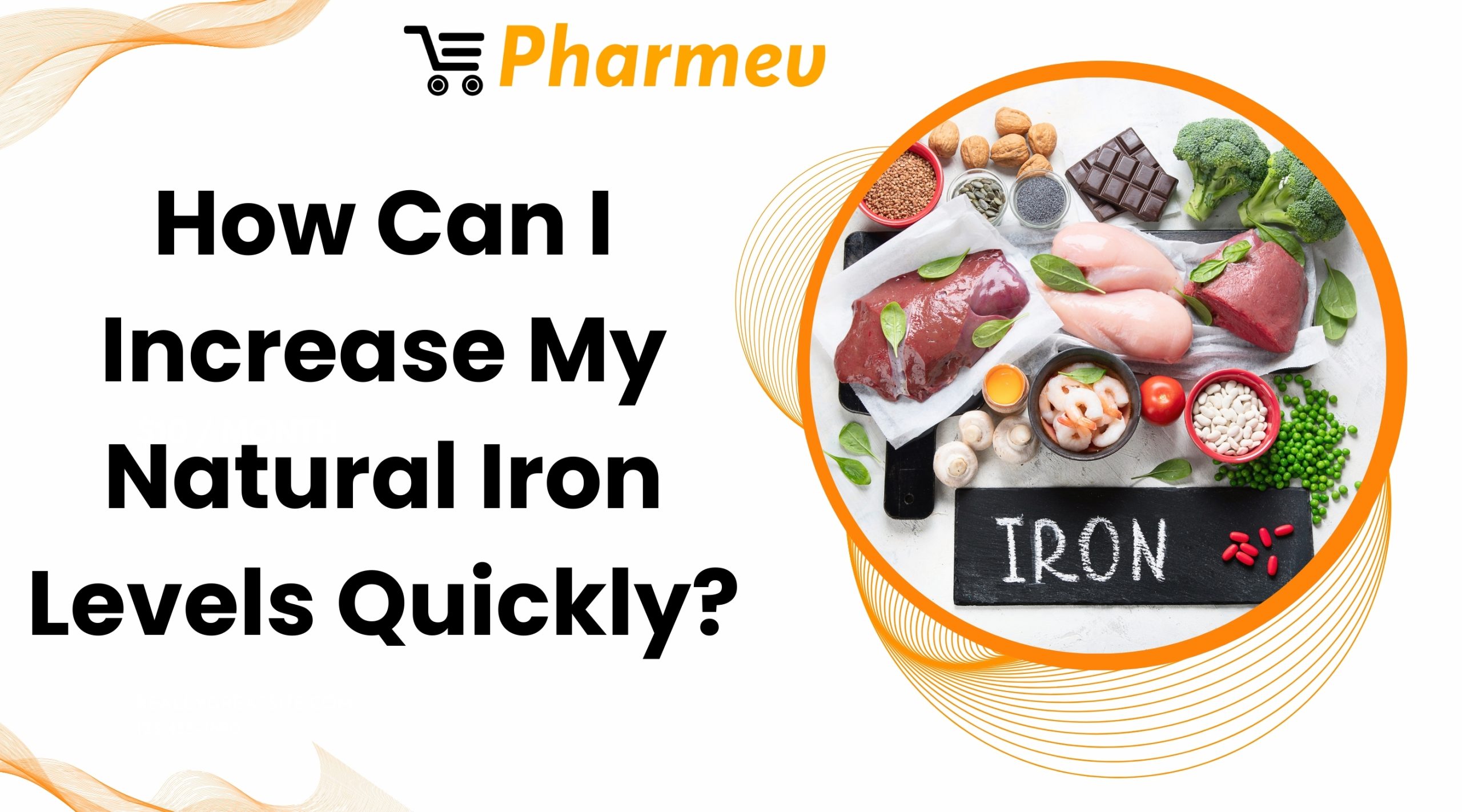
Eat more meals high in iron: Increasing your consumption of iron-rich foods is one of the greatest strategies to boost your iron intake. Fortified cereals, spinach, beans, lentils, liver, shellfish, and red meat are all excellent choices. Iron-rich foods can improve absorption when consumed with vitamin C, so consider eating them with tomatoes or citrus fruits. Because the tannins in tea and coffee might interfere with the absorption of iron, avoid drinking them with meals.
Take an iron supplement: Iron levels can be restored with the aid of an iron supplement if food alone is insufficient. Make sure you adhere to the recommended dose. It might be harmful to take too much additional iron. For information on the right kind and dosage of iron for you, see your doctor.
Deal with any underlying issues: Understanding and treating any underlying causes of iron shortage is crucial, in addition to boosting dietary iron. Low iron can be caused by heavy menstrual flow, ulcers, gastrointestinal issues, and the use of specific drugs. Treating a gastrointestinal condition that hinders absorption, such as celiac disease, is necessary to stop future deficiencies.
Sources of Non-Heme Iron
This kind of iron is present in meals derived from plants. It can still be very important in helping you fulfill your daily iron needs, even if the body does not absorb it as well as heme iron does. This is especially true if you are on a vegetarian or vegan diet.
Significantly improving the absorption of non-heme iron is vitamin C. To improve absorption, include foods like tomatoes, bell peppers, citrus fruits, or strawberries in meals.
Steer clear of iron absorption inhibitors: Some chemicals can decrease the absorption of iron. Avoid drinking tea, coffee, or foods high in calcium just before iron-rich meals.
Particularly if you’re following a vegetarian or vegan diet, you may efficiently boost your iron intake by including a range of these iron-rich plant items in your diet.
Avert Inhibitors of Iron Absorption during Meals
- Some chemicals can prevent the absorption of iron. To increase iron consumption:
- Steer clear of tea and coffee with meals since their tannins might hinder the absorption of iron.
- Limit foods heavy in calcium (dairy, calcium supplements) during iron-rich meals because calcium and iron fight for absorption.
Steer clear of high-fiber foods like bran, whole wheat, and some legumes while eating meals high in iron since they can bind to iron and decrease its absorption.
Particularly when cooking acidic foods like tomatoes or other high-moisture meals, cooking in cast iron skillets can raise the iron content of your dish. Eventually, this can help raise iron levels.
Take Supplements That Include Iron.
This may be required if your iron levels are low. Usually containing 20–30 mg of elemental iron, ferrous sulfate is a popular supplement.
As excessive iron intake might be harmful, use supplements under a doctor’s supervision.
Although iron supplements are best absorbed when taken empty-handed, you can take them with a little bit of food if they irritate your stomach.
To enhance absorption, take vitamin C-rich foods and supplements together, such as a glass of orange juice.
For general health, including preserving healthy circulation, which aids in the body’s oxygen transfer, being hydrated is crucial. Consider herbal teas like red clover or nettle, which are occasionally suggested to support iron levels, and drink lots of water.
This might result from menstrual iron loss if you’re a lady with heavy menstrual periods. Mitigating the effects on iron levels can be achieved by taking iron supplements during menstruation or managing heavy periods with the assistance of a healthcare professional.
It’s wise to see your doctor if you’re exhibiting signs of iron deficiency disorders. You may measure your iron levels and monitor your progress as you try to raise them naturally with a blood test.
Focus on eating foods high in iron, use vitamin C to improve absorption, and stay away from inhibitors like calcium and caffeine during meals if you want to increase your iron levels fast. Consider taking supplements under a doctor’s supervision if required.
What Are Some Ways to Raise Iron Levels Through Food?
Your food is the most effective method of raising your body’s iron levels. Let’s learn more about some of the foods that are high in iron.
Eat veggies and citrus fruits like kale and spinach.
Brown rice, beans, and chickpeas are other veggies that are high in protein. Increase the amount of meat in your diet, especially red meat like beef or pork.
There are other things besides food that you should also stay away from since they will decrease your body’s ability to absorb iron. Consider the following foods to stay away from:
Steer clear of ingesting excessive amounts of soy products, such as soybean oil or soybeans themselves, as they might hinder the absorption of iron from plant-based foods.
Tea and coffee contain tannins that can bind with iron and eventually be expelled from your body through urine and stool, so try to limit your intake of these beverages.
Because wholegrain foods have too much fiber, they will ultimately bond to the iron and be secreted out of the body.
One particular nutrient, vitamin A, may limit or prevent your body’s capacity to absorb iron. Additionally, try to limit your intake of foods high in calcium and phosphorus, as this will also decrease your body’s ability to absorb iron.
Healthy Foods That Are High In Iron
- Shellfish
A great and highly accessible source of iron, particularly for those who consume animal products, is shellfish. They offer several other vital nutrients for general well-being and can aid in rapidly raising your iron levels.
Shellfish is a pleasant and healthy food. Although clams, oysters, and mussels are excellent providers of iron, all shellfish are rich in it.
A 3.5-ounce portion of clams, for example, may include up to 3 mg of iron, or 17% of the DV.
Clams vary greatly in their iron concentration, though, with some varieties having significantly lower levels.
The heme iron in shellfish is easier for your body to absorb than the non-heme iron in plants.
Shellfish are a fantastic source of omega-3 fatty acids, which have been found to raise HDL cholesterol levels, which are beneficial for the heart.
While there are valid worries regarding mercury and poisons in some fish and shellfish, eating seafood has many more advantages than disadvantages.
The FDA and EPA advise consuming two to three servings of seafood each week from their “Best Choices” list, which includes shellfish like scallops, clams, and oysters.
- Spinach
Despite having extremely few calories, spinach has several health advantages.
The amount of iron in 3.5 ounces (100 grams) of raw spinach is 2.7 milligrams, or 15% of the DV.
In addition to being high in vitamin C, spinach contains non-heme iron, which is poorly absorbed. This is relevant because iron absorption is greatly enhanced by vitamin C.
Additionally, spinach has a lot of carotenoids, which are antioxidants that may lower inflammation, lower your risk of cancer, and save your eyes from harm.
Eating spinach and other leafy greens with fat facilitates the absorption of carotenoids by the body, so be sure to pair your spinach with a healthy fat, such as olive oil.
- Organ Meats
Organ meats have a lot of nutrients. Iron-rich organs that are popular include the liver, kidneys, brain, and heart.
A portion of beef liver weighing 3.5 ounces (100 grams) has 6.5 milligrams of iron, which is 36% of the daily value.
In addition, organ meats are a good source of selenium, copper, and B vitamins.
Vitamin A is particularly abundant in liver, which provides an astounding 1,049% of the DV in a 3.5-ounce dose.
Additionally, organ meats are one of the greatest sources of choline, a vitamin that many individuals lack enough of for healthy liver and brain function.
- Legumes
The nutrients in legumes are abundant. Legumes include beans, lentils, chickpeas, peas, and soybeans, among others.
Increase your iron intake with ease by eating beans including kidney, navy, and black beans. Magnesium, potassium, and folate are also abundant in legumes.
Additionally, studies have demonstrated that eating beans and other legumes might help diabetics feel less irritated. Additionally, legumes can lower the risk of heart disease in those with metabolic syndrome.
Legume consumption may also aid in weight loss. They include a lot of soluble fiber, which boosts feelings of fullness, lowers caloric intake, and supports good gut flora, all of which affect weight, inflammation, and the risk of chronic illness.
Eat beans with meals strong in vitamin C, such citrus fruits, tomatoes, or greens, to optimize the absorption of iron.
- Red Meat
Red meat is wholesome and filling. Several B vitamins, zinc, selenium, and protein are also abundant in meat. According to research, those who regularly consume meat, poultry, and fish may be less prone to suffering from iron deficiency.
Red meat is quite likely the most readily available form of heme iron, which may make it a crucial diet for those who are at risk of anemia.
Studies reveal that women who consume less than two ounces of red meat per day are more likely to have poor intakes of zinc, iron, vitamin B12, potassium, and vitamin D than women who eat two to three ounces per day.
- Pumpkin Seeds
They make a delicious, portable snack. Furthermore, pumpkin seeds are a significant source of manganese, zinc, and vitamin K. A frequent dietary shortage is magnesium, which they are among the finest sources of.
A 1-ounce (28-gram) portion provides 40% of the daily need for magnesium, which lowers your risk of depression, diabetes, and insulin resistance.
- Quinoa
The popular grain quinoa is referred to as a pseudocereal. Cooked quinoa contains 2.8 milligrams of iron (or 16% of the DV) per cup (185 grams).
Quinoa is also free of gluten, which makes it an excellent option for those who have celiac disease or other types of gluten sensitivity.
In addition, quinoa has more protein than most other grains and is a good source of folate, magnesium, copper, manganese, and other minerals.
Quinoa is also more antioxidant-active than a lot of other cereals. Free radicals, which are produced during metabolism and in reaction to stress, can harm your cells. Antioxidants can help prevent this.
- Turkey
Meat from turkey is tasty and nutritious. Additionally, it’s a rich source of iron, particularly from black turkey flesh. The same quantity of white turkey meat, by contrast, only has 0.7 mg.
A serving of dark turkey meat has an excellent 28 grams of protein, along with several B vitamins and minerals, such as 57% of the DV for selenium and 32% of the DV for zinc.
Because protein raises your metabolic rate after a meal and helps you feel full, eating foods high in protein, like turkey, may help you lose weight.
A diet rich in protein can also help stop the loss of muscle that comes with age and weight loss.
- Broccoli
Broccoli is a very healthy food. 1 mg of iron, or 6% of the DV, is found in 1 cup (156 grams) of cooked broccoli.
Broccoli also contains 112% of the daily value of vitamin C, which improves the body’s absorption of iron.
The same serving size has 5 grams of fiber, some vitamin K, and a high folate content. Broccoli belongs to the same family of vegetables as cabbage, cauliflower, brussels sprouts, and kale.
The plant chemicals indole, sulforaphane, and glucosinolates found in cruciferous vegetables are thought to offer cancer prevention.
- Tofu
In several Asian nations and among vegetarians, tofu is a popular soy-based meal.
A serving of half a cup (126 grams) contains 3.4 milligrams of iron, or 19% of the daily value.
Thiamine and a number of minerals, such as calcium, magnesium, and selenium, are also found in good amounts in tofu. Each dish also contains 22 grams of protein.
There are special molecules called is flavones found in tofu that have been connected to better insulin sensitivity, a lower risk of heart disease, and alleviation of menopausal symptoms.
- Dark Chocolate
Dark chocolate is both nutrient-dense and tasty. Additionally, 56% and 15% of the DVs for copper and magnesium, respectively, are packed into one little portion.
It also includes prebiotic fiber, which feeds your gut’s beneficial microorganisms.
Like fruit extracts from berries and cherries, cocoa powder and dark chocolate have strong antioxidant properties.
Additionally, studies have demonstrated that chocolate lowers cholesterol and may lower your risk of heart attacks and strokes.
But chocolate isn’t all made equally. Flavanols are thought to be the molecules that give chocolate its health advantages, and dark chocolate has a far greater flavanol concentration than milk chocolate.
To gain the most advantages, it is thus advisable to eat chocolate that has at least 70% cocoa.
- Fish
An excellent source of nutrients is fish, and some types, such as tuna, are particularly rich in iron.
Additionally, omega-3 fatty acids, heart-healthy lipids with other health advantages, are abundant in fish.
Specifically, omega-3 fatty acids have been demonstrated to assist healthy growth and development, improve immunological function, and boost brain health.
See which fish are the healthiest and reduce your exposure to mercury by consulting the EPA chart.
Many other vital minerals, such as niacin, selenium, and vitamin B12, are also found in fish.
In addition to tuna, you may also eat haddock, mackerel, and sardines, which are other seafood high in iron.
Knowing the Stages of Iron Insufficiency
You must be able to determine your true level of iron deficiency if you wish to quickly raise the amount of iron in your body. Whether you like to admit it or not, there are levels involved.
Typically, this is the milder form of iron deficiency. The iron levels here are often a little lower than normal.
Because of this, the doctors would often advise you to consume the foods we have described above, and you should see positive results in a few days.
The iron content of your body would be noticeably below normal levels in this slightly more severe stage of iron deficiency.
The physicians would advise taking iron supplements in addition to recommending a change in your diet.
Your body typically has a lot less iron at this stage of iron deficiency than it does at your age.
Because your hemoglobin levels are lower than normal, anemia might even impair the oxygen supply to your cells.
People going through this stage of iron deficiency may have severe fatigue, loss of appetite, or dizziness, all of which are concerning symptoms.
Last Words:
As you can see, this article offers a number of specific recommendations on how to raise your body’s iron levels.
We’ve included a comprehensive list of foods that are high in iron. Additionally, there are several foods that we have suggested that you might need to stay away from.
Get the Pharmev to see if you have any imbalances or deficiencies that might be hurting your energy levels.