Introduction:
When bones are weak due to osteoporosis, even little forces like coughing or leaning over can cause a break. The hip, wrist, or spine are where these types of breaks most frequently occur.
As living tissue, bone is always being broken down and rebuilt. This happens when the production of new bone isn’t keeping pace with the loss of existing bone.
All races of men and women are impacted by this. The largest risk, however, is for Asian and white women, particularly older women who have passed menopause. Medication, a balanced diet, and weightlifting can help strengthen weak bones or stop bone loss.
Similar to hypertension, this illness is quiet. This implies that initially, you probably won’t notice any significant improvements in your health.
Because bone density has decreased, this frequently indicates a fracture or shattered bone. Discussing tests with a physician and being aware of your risk factors will increase your chances of early detection.
This fracture will occur in one out of every two women over 50. Men over fifty have a better chance, one in four. One famous example of a bone break that might change a person’s life and jeopardize their freedom is this one. It can raise post-fracture anxiety and despair, lower quality of life, and cause serious medical problems.
What Is Osteoporosis?
Bone density is being lost. Your bones don’t have as much mineral content as they should if your bone density is decreased. Your risk of bone fractures may rise as a result of their weakening.
Your bone density is below normal. It may develop into osteoporosis.
After turning 50 or entering post-menopause, most individuals get their bone density evaluated every few years, but you may need it examined more frequently. Visit a medical professional for routine examinations. The date of your bone density test will be communicated to you.
Your wrist, hip, and spine are the most prone to shatter, although the condition can damage any bone. Hip fractures might be especially risky for elderly adults. Prolonged immobility throughout the healing process might result in major side effects like pneumonia or blood clots.
80% or more are female or assigned female at birth. Because women’s bones are lighter and less thick, and because menopause causes hormonal changes that accelerate the loss of bone mass, experts believe this is the cause.
- Hips
- Wrists
- Spine
Because of this condition, you will have severe discomfort, particularly in the hip and backbone areas.
This may be inherited and is rather frequent among women in their 50s, according to academics and medical professionals.
There are several more causes for the same, however, once you have the illness, it is difficult to identify. To gain a clear image of the condition, doctors may suggest a complete body MRI scan during the diagnosis process. Although there is a therapy for the illness, it may also last a lifetime.
A diet high in calcium and vitamin D, weight-bearing exercise, and drugs that assist in strengthening bones are all part of the prevention and management of osteoporosis. Frequent measurements of bone density can aid in the early detection of the problem.
Osteopenia vs. Osteoporosis
Despite their similarities, these diagnoses are distinct. This might be considered “pre-osteoporosis.” Your bones are also losing mass if you have osteopenia, which makes them more brittle.
If your bone density continues to decline.
A person of your sex and race with peak bone mass—typically someone in their 25s to 30s—is compared to you when you have a bone density test. A T-score is the outcome.
- The density of your bones is normal.
- You have osteopenia and have less bone density than you should have.
- You have osteoporosis and have insufficient bone density.
There are actions you may do to reduce the loss of bone density. With therapy, some people can even undo it.
This problem is connected to bones since bone mass decreases and bone strength decreases. Although males can also have it, women over the age of fifty are more likely to have it.
When you have a fracture, you can see it; there are no early symptoms. For doctors to diagnose osteoporosis, they need to see certain images.
It may cause you to suffer for years or maybe your entire life. It can be rooted in your family’s past. For men, it may result in erectile dysfunction.
Which Variables Raise The Risk Of Osteoporosis?
This risk can be increased by a number of factors. A few of these have to do with lifestyle, health, and genetics.
- Age
After menopause, women have a dramatic drop in estrogen levels, which speeds up bone loss. Because estrogen slows down the rate of bone resorption, it helps protect bones. Following menopause, a drop in estrogen causes bone loss to occur more quickly, raising the risk of osteoporosis.
Bone density declines more quickly in both men and women after the age of 70. Even after the age of 70, men may continue to lose bone density more slowly, but women often have a more significant decline, especially following menopause.
Because your bones deteriorate with age, you are more vulnerable to fractures. Serious fractures, particularly in the hip, spine, or wrist, can occur from even little falls or mishaps.

- Gender
In general, women’s bones are thinner and smaller than men’s, making them more prone to fractures and bone loss. Women often have less bone mass at birth, and as they age, this density declines more quickly, increasing their risk of osteoporosis.
Women often outlive men, and the danger rises with age. Women are therefore more likely to survive into the age range where there is a noticeable loss of bone, which raises their risk of osteoporosis and fractures.
Similar to estrogen’s function in women, testosterone aids in maintaining bone density in males. Men gradually lose testosterone as they age, which may be a factor in bone loss. But in general, this reduction happens more gradually than the sudden hormonal shifts that women go through following menopause.
- Family History
Studies reveal that specific genes impact bone strength and density. A fracture from a little fall or osteoporosis in your parents or siblings may suggest that you may inherit similar genetic characteristics that make bones more brittle.
Other illnesses that might raise the risk of osteoporosis, such as rheumatoid arthritis, diabetes, or thyroid problems, may be connected to this in certain families. In addition, genetic variables that make a person more susceptible to certain illnesses may indirectly increase the chance of bone loss.
- Hormonal Factors
Following menopause, women’s estrogen levels significantly decline, hastening the resorption of bone. Postmenopausal women are therefore far more susceptible to osteoporosis. Women may lose up to 20% of their bone mass over the first 5-10 years following menopause, making this time frame especially crucial.
A rapid loss of bone density results from the dramatic drop in estrogen, particularly in regions like the wrists, hips, and spine that are more susceptible to fractures in women.
Testosterone replacement treatment can help increase bone density and lower the risk of fractures for some men whose testosterone levels are noticeably low.
- Dietary Factors
Protein has a crucial role in bones since collagen makes up over 50% of bone mass. The development of muscle and bone tissue depends on consuming enough protein. Inadequate consumption of protein can have detrimental effects on bone health and even lead to bone loss.
Magnesium plays a role in bone formation and is essential for the healthy operation of enzymes that aid in the body’s calcium processing. Additionally, magnesium aids in the regulation of the body’s calcium and vitamin D levels.
Prioritize obtaining nutrients from real meals over supplements. While supplements might be beneficial, a balanced diet should always come first.
- Physical Activity
Engaging in physical exercise is crucial for preserving bone health and averting osteoporosis. Frequent activities that involve lifting weights and strengthening muscles assist in maintaining and increasing bone density, enhancing balance, and lowering the risk of fractures.
Bone mineral density, a crucial component of bone strength, may be maintained or increased with regular exercise. Increased BMD lowers the chance of osteoporosis and helps to avoid fractures, especially those that affect the wrists, hips, and spine.
Physical activity can reduce the pace of bone loss and help manage osteoporosis, even in those who already have it. People with this must select routines that don’t overstress their already delicate bones.
- Body Size
Obesity-related bone density is frequently caused by fat mass rather than lean muscle mass. In contrast to muscle, fat tissue has no role in promoting bone formation. Furthermore, increased levels of inflammation and fat-soluble hormones like leptin are associated with obesity, and these factors over time may have a detrimental effect on bone health.
Being overweight can impair mobility, balance, and coordination, which raises the risk of fractures and falls.
Although having too much body fat doesn’t directly benefit bones, some data suggest fat tissue may provide some protection against bone fractures by acting as a cushion. Fat’s long-term impacts on bone health are more complicated and not protective, though.
- Medical Conditions
Chronic inflammation can hasten bone loss in rheumatoid arthritis, particularly in regions close to inflammatory joints. Corticosteroids, which are used to treat RA, can also raise the risk of osteoporosis by reducing bone density.
The body’s calcium and phosphate balance can be upset by kidney disease, which can cause issues with bone mineralization. Because the kidneys are also in charge of triggering vitamin D, which is necessary for calcium absorption, a compromised kidney might result in decreased calcium absorption and weaker bones.
Reducing the risk of osteoporosis and enhancing bone health requires managing these disorders with the assistance of medical specialists, as well as making sure that regular exercise, a healthy diet, and sometimes medication or supplements are used.
- Lifestyle Factors
A diet high in sugar and alcohol might be detrimental to bone health. Alcohol may affect the activity of cells that create bone and interfere with the body’s capacity to absorb calcium. Inflammation brought on by too much sugar might eventually damage bones.
A sedentary lifestyle raises the risk considerably. Insufficient physical activity causes bone mass to decline and can hasten bone loss. Less active people are also more likely to have fractures since their bones and muscles deteriorate over time.
One of the main risk factors for osteoporosis and bone fractures is smoking. In addition to lowering estrogen levels, tobacco smoking can disrupt bone growth and calcium absorption. Additionally, smokers have a higher chance of breaking bones, especially those in the wrist, hip, and spine.
- Ethnicity
A decreased bone mass and an increased risk of these are caused by the smaller body frames and lower body weights of people from Asian ethnic groups.
These rates are greater in some Native American communities because of lifestyle and genetic factors. Indigenous communities may have issues including poor nutrition, low bone mineral density, and restricted access to healthcare, all of which can raise their risk of osteoporosis and fractures.
The amount of physical exercise, smoking, drinking, and other lifestyle choices can also affect bone health and differ among ethnic groups. For instance, certain groups may lead more sedentary lives, which can have a detrimental effect on bone density, while other groups may follow nutritional or health practices that strengthen bones.
Osteoporosis Common Causes
There might be a lot of reasons for this. In the elderly age, this condition is prevalent. However, young adults frequently exhibit the same traits.
As we examine the causes of the condition, we will also determine the cause. Thus, research the reasons behind the critical illness.
Malnutrition is a major contributing factor to the condition. One of the main factors contributing to the development of the condition is excessive exposure to fast food and avoiding items high in calories.
Even if its effects aren’t immediately apparent, they eventually deteriorate and contaminate your bone marrow, causing permanent suffering for the rest of your life.
One of the main causes of the disease is excessive alcohol exposure. It may be an overabundance of alcohol consumption in men. On the other hand, for women, frequent alcohol use is enough to cause these problems as they age.
According to medical professionals, excessive smoking is the third most prevalent cause of the illness.
Although smoking has an impact in acute situations, men’s bone marrow naturally develops strength, so the effects of this are not as great. In the case of women, however, the condition is brought on by frequent smoking.
Are You Aware That Men’s Erection Problems Are Frequently Caused By The Three Factors Mentioned Above?
Therefore, erection problems and premature ejaculation are early indicators that a man may acquire osteoporosis in his later years.
Therefore, to prevent such suffering, you should receive ED therapy and take kamagra gold or other sildenafil citrate tablets.
However, women do not have this option, thus the condition is more prevalent among women. Studying the other factors that contribute to the illness is therefore much more crucial. The following characteristics are typical of women:
You will probably acquire osteoporosis in your later years, around the age of fifty, if you consume less calcium-developing food today.
If not, consider your body weight as well. Since this condition is common in women with exceptionally low body weight, you may have to pay a high price for your desire to be a zero-figure lady and get attention from boys in your later years.
You may also acquire the disease if you have a high thyroid level. Thyroid patients have a higher chance of developing the condition. Therefore, start being cautious about it if you have a thyroid condition.
Another factor contributing to the development of this condition is low testosterone. This argument, however, applies to men more so than to women. Males who exhibit low testosterone levels might also recognize this at a young age.
They may experience erection problems, reduced stamina, and decreased desire to go to bed. Therefore, men may right things and prevent harmful problems by using pills of the Tadalafil kind.
This can also result during menopause in women who have all of the aforementioned disorders; in fact, this is the most prevalent cause.
Tests for Osteoporosis and Diagnosis
In addition to ordering a bone density test and perhaps other tests, your doctor will often collect a complete medical history to reach a diagnosis.
Examine your age, if you are menopausal, whether you have ever experienced a bone break as an adult, your family history, and you’re eating, drinking, and exercise habits.
Inquire about the drugs you use. If taken over an extended period, certain medications, such as corticosteroids, can damage bones.
Check your height by taking a measurement. The physician will examine your spine. If it bends forward unnaturally, it may indicate that you have previously experienced osteoporosis-related spinal fractures.
An examination of bone density is non-invasive. It is comparable to an X-ray. A robotic arm moves across to assess the mineral content in your wrist, hip, and spine bones while you lie on a specialized table.
Some scans look at every part of your body. To determine whether your bone density is normal, your doctor will compare your results to the norm.
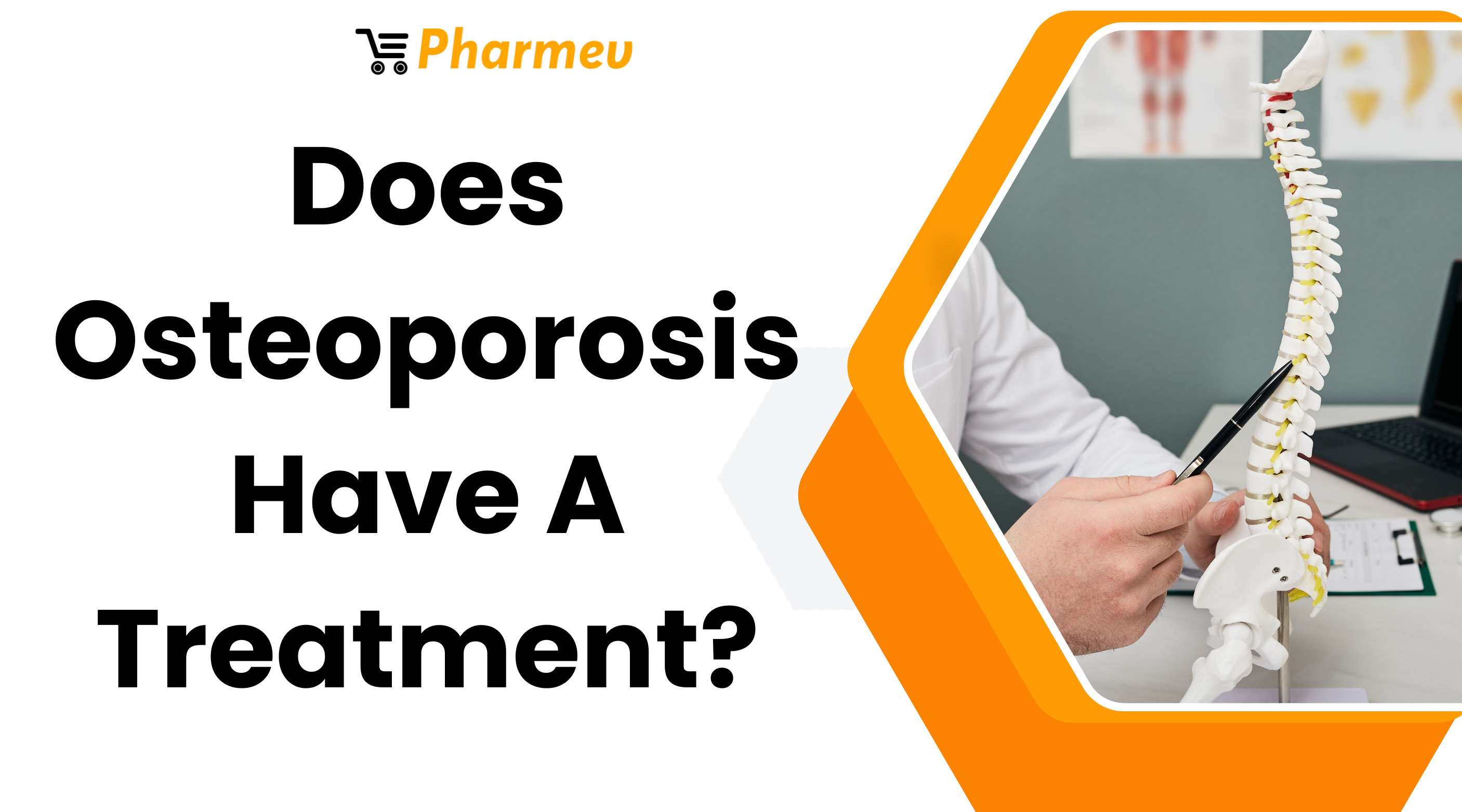
Treatment for Osteoporosis
Your physician could suggest some actions to assist you in preventing further bone loss and reducing your risk of fractures. These include quitting smoking if you do, reducing alcohol intake, maintaining a healthy diet, and exercising.
Your doctor will take care of any medical conditions or drugs that may have contributed to this. For example, there may be a chance to switch drugs if bone loss is one of the negative effects. But it’s not always feasible. In this instance, your physician will examine you regularly to track the health of your bones.
Make sure your physician is aware of all the medications you are taking before beginning a bone-maintenance medication. Your doctor might wish to change your medication or change the dosage since some medications might harm your bones.
Because long-term use of bisphosphonates is associated with a low risk of thigh bone fracture, you may be moved to another medication after 5 years.
This can be prevented and treated by hormone replacement therapy (HRT), which can be either estrogen or a mix of estrogen and progestin.
However, studies have indicated that HRT may raise certain people’s risk of heart disease, stroke, and breast cancer. Because the health concerns are believed to exceed the benefits, hormone replacement therapy is not typically advised as a first line of treatment for osteoporosis.
Drinking too much alcohol can affect bone health by preventing the development of new bone and reducing calcium absorption. Alcohol consumption should be kept to a minimum of one drink for women and 2 for men per day.
The most often recommended class of medications is bisphosphonates. By reducing the activity of the cells that break down bone, they assist in maintaining bone strength and density.
Significant dangers associated with HRT include an elevated risk of blood clots, stroke, and breast cancer. Treatment is continuously monitored and is typically indicated for women with severe osteoporosis and other menopausal symptoms.
When medicine is insufficient to repair fractures or severe bone loss, surgery may be required.
To assess the condition’s course and modify treatment as necessary, routine monitoring using bone density scans is crucial.
How May My Risk Of Osteoporosis Be Reduced?
Preventing osteoporosis typically just requires exercise and ensuring that your diet contains adequate amounts of calcium and vitamin D. Your healthcare professional will assist you in determining the best course of action for your bone health and well-being.
- Put on your seatbelt at all times.
- For all sports and activities, use the appropriate protective gear.
- Clear your workstation and house of any clutter that can trip you or others.
- Always access things at home with the right tools or equipment. Never stand on tables, chairs, or worktops.
- Adhere to a healthy workout and nutrition regimen.
- If you have a higher risk of falling or have trouble walking, use a cane or walker.
What Are Osteoporosis Complications?
This most serious and frequent consequence is pathological fractures. A pathological break is one that did not happen as a result of external stress or force.
The most troublesome are frequently pathological fractures of the spine or hips. They may result in impairment.
Death or a higher risk of mortality can also result from severe fractures.
Another potential issue is alterations to the back’s structure, including a hunched posture.
Osteoporosis Diet
For your bones to be nourished, your body requires calcium and vitamin D. Foods strong in calcium and vitamin D in your diet might help slow down bone loss if you don’t already.
- Dairy products with reduced fat content
- Broccoli, spinach, bok choy, and turnip greens are examples of dark green leafy vegetables.
- Salmon and sardines
You can get the necessary daily intake of calcium by eating some foods that have been fortified with it.
- Soy milk
- Tofu
- Orange juice
- Cereals
- Breads
- Fatty fish
- Fish oils
- Egg yolk
- Liver
Several factors, such as your health and ability to effectively digest food, will determine how much calcium and vitamin D you require.
In addition to being essential for muscle mass and general health, protein also supports bone formation. On the other hand, excessive calcium excretion might result from consuming too much animal protein. It’s all about balance.
Consuming too much alcohol might affect bone health and calcium absorption. Drink no more than one drink for ladies and two for men each day.
Sugary beverages can alter calcium balance and eventually lead to bone loss, particularly if they include phosphoric acid.
The best bone health may be supported by consuming the correct foods and avoiding or restricting certain chemicals, such as excessive alcohol, caffeine, and salt.
Breaks Resulting From Osteoporosis
Fractures resulting from osteoporosis frequently occur in the spine, wrist, and hip. Surgery is commonly required for hip fractures. Surgery or a cast may be required for wrist fractures.
The most frequent fractures among the elderly are those of the spine, wrist, and hip. A compression fracture in the vertebrae, which make up your spine, can result from weak bones. Compression fractures have the potential to alter your spine’s strength and form over time.
Chronic back discomfort or height loss is possible. In certain individuals, the discomfort may be excruciating and result in other health issues.
Exercises for Osteoporosis
- Increase muscle strength
- Stay flexible
- Improve or maintain your balance
- Improve your posture
- Reduce pain
Consult your physician before beginning a new fitness regimen, particularly if you have severe osteoporosis. A physical therapist or an osteoporosis-friendly fitness regimen may be recommended by your physician. You may also check to see if there are any osteoporosis-specific workout programs in your area. People with this can also be helped by some personal trainers.
Start cautiously and don’t fall for the “no pain, no gain” mentality while choosing an exercise regimen. Stop if you are hurting.
The many forms of exercise that are beneficial to those with these conditions are listed below.
- Make use of a weight machine.
- Use free weights.
- Make use of resistance bands.
- Raise your weight.
In addition to strengthening bones, they force your body to work against gravity. Exercises can be either high-impact or low-impact, based on your health and fitness level. Running is a high-impact activity, whereas walking is a low-impact one.
- Dancing
- Stair climbing
- Tennis
- Aerobics
- Some forms of yoga
Being able to keep upright when walking and performing daily duties is made easier by having good balance. It can also assist you avoid falling if you trip or slide.
Osteoporosis Prevention
Not all bone loss can be stopped since some loss occurs naturally as people age. However, if you have been diagnosed with osteopenia, there are things you may take to slow down the loss of bone. You have a higher chance of maintaining the healthiest possible bones if you begin these preventative measures early.
- Are you a lady who’s 65 or older?
- Are you a woman under 65 with osteoporosis risk factors?
- Are there risk factors for osteoporosis in men over 50?
- Are over 50 and have lost at least 1.5 inches of height
- Take drugs that interfere with bone formation or induce bone loss.
How Long Can A Person With Osteoporosis Expect To Live?
This won’t alter your life expectancy and isn’t lethal in and of itself. However, it may increase your risk of breaking a bone. According to some research, hip fractures in persons over 65 cause less mobility and early mortality.
If you’re concerned about your risk of bone fractures or falls, speak with your healthcare physician. They will keep you healthy and protected.
Last Words:
Nonetheless, Pharmev Pharmacy offers all of the medications you need, and you may maintain your health by eating a healthy diet.
In addition, doctors will frequently recommend dairy products, fish, and other fruits and vegetables as part of your diet.
In most cases, people do not recover from the same condition in their lifetime, but they can heal well if they receive the right therapy. So, wish yourself luck.