Introduction:
This can be a useful therapy for infections, but not all of them are sold over-the-counter products. However, our safe online prescription service offers you the convenience of having the right antibiotic therapy sent right to your door.
By understanding when and how to take antibiotics, you may get the most out of these drugs with the least amount of danger.
These can occasionally be leftovers from an earlier prescription. Others can be purchased online or from other sources.
This usage without a doctor’s supervision can intensify an infection, according to experts.
Maintaining the efficacy of current this is essential for public health, even while research into novel antibiotics and other therapies continues.
These are crucial to contemporary healthcare, but excessive and inappropriate use of them has resulted in a major issue known as antibiotic resistance.
What Are Antibiotics?
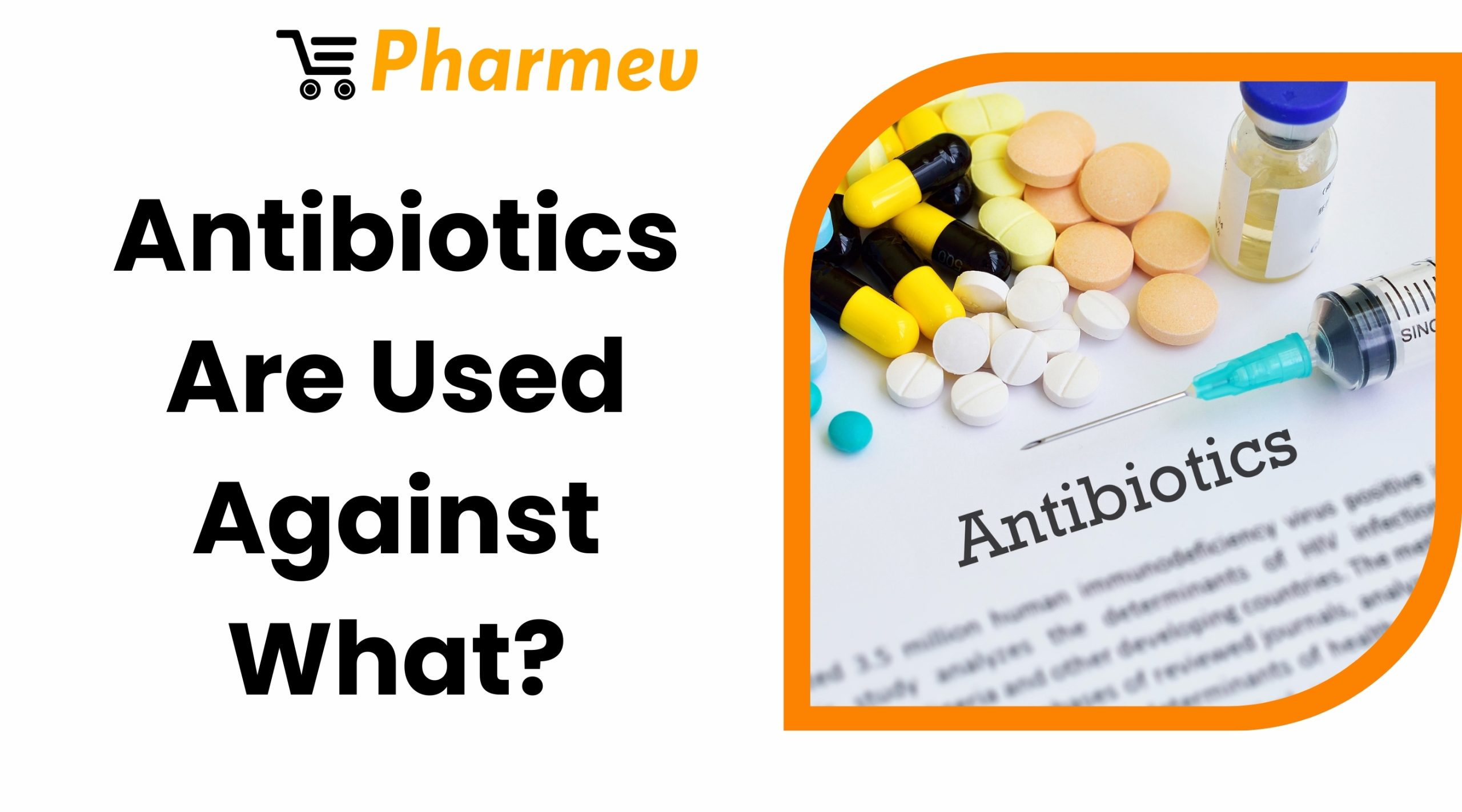
They function by either immediately eliminating the germs or stopping their growth and dissemination inside the body. They cannot cure COVID-19, the flu, or the common cold since viruses are unaffected by this.
- Amoxicillin
- Azithromycin
- Cephalexin
- Ciprofloxacin
Millions of people throughout the world have been saved by the development of treatments for diseases like pneumonia and TB that formerly caused severe sickness or death. Antibiotics come in a wide variety of forms, including tablets, lotions, and injections, and each one targets a certain type of bacteria.
These are chosen by doctors depending on the type of infection, how severe it is, the probable bacteria causing it, and patient characteristics like allergies or other prescription drugs.
Resistance in bacteria makes diseases more difficult to cure, necessitating the use of more potent medications, a longer course of treatment, or possibly hospitalization.
Use of antibiotics only as directed by a healthcare professional, meticulous adherence to instructions, and never sharing or storing leftover medications are all important ways to help avoid resistance.
The effectiveness of antibiotics must be preserved for future generations by safe usage, public awareness, and ongoing research.
Antibiotics – How Do They Work?
Various methods, depending on the antibiotic class, are used to do this.
The way certain antibiotics, such as penicillins, function is by preventing the bacteria from forming a robust cell wall, which is essential to their survival.
The bacteria burst and die because they are unable to retain their form in the absence of a functioning cell wall. Tetracyclines and other antibiotics target the bacterial ribosomes, which are necessary for protein synthesis.
Although they work somewhat differently and more precisely target the bacterial ribosomes, macrolides similarly prevent the production of proteins.
The production of folic acid, which is necessary for bacterial growth and reproduction, is inhibited by sulfonamides. Effective treatment of bacterial infections can be achieved by medicines targeting these vital bacterial functions.
However, they are exclusively given for bacterial infections since they do not work against viruses, fungi, or other pathogens. These can save lives when taken as directed by a healthcare provider.
Inappropriate use of antibiotics, such as using them for viral infections or skipping a course of therapy, can lead to antibiotic resistance.
Proper Antibiotic Use
They will explain your whole treatment plan. If something is confusing, ask.
These should never be saved for later use. Prescriptions are similar to specially tailored clothing. They are customized to meet your needs and are based on your medical history, allergies, and the sort of illness you have.
Throw away unused medications safely.
Which Illnesses Can Antibiotics Treat?
These are effective in treating a variety of bacterial diseases, including strep throat, pneumonia, and bronchitis. Infections of the skin, such as cellulitis, sinusitis, and urinary tract are also treated with them.
Both bacterial ear infections and some gastrointestinal infections, such as those brought on by Salmonella or Escherichia coli bacteria, can be treated with antibiotics.
- Cellulitis
- Gas gangrene
- Impetigo
- Necrotizing fasciitis
- Staph infection
- Bacterial pneumonia
- Strep throat
- Whooping cough
- Bacterial vaginosis
- Sexually transmitted infections
- Urinary tract infection
- Pink eye
- Orbital cellulitis
Additionally, they can cure more serious bacterial diseases, including tuberculosis (TB), a bacterial infection that mostly affects the lungs, and meningitis, an infection of the membranes that surround the brain and spinal cord.
But it’s crucial to keep in mind that antibiotics don’t work for viral illnesses like the flu, colds, or the majority of coughs, and that using them excessively or improperly might result in antibiotic resistance, which makes treating infections in the future more difficult.
To ensure their efficacy and maintain their potency for further usage, they should only be used as directed by a medical practitioner for bacterial illnesses.
What Kind Of Antibiotics Are There?
Antibiotics fall into several groups, each of which is intended to combat a particular bacterial species or bacterial activity. Penicillins are among the most well-known groups and include medications such as amoxicillin and penicillin G.
Bacterial cell death results from these antibiotics’ inhibition of the bacterial cell wall’s development. Similar to penicillins in their mode of action, cephalosporins—like ceftriaxone and cephalexin—are frequently used to treat infections that are resistant to other antibiotics.
Macrolides that target bacterial ribosomes, such as erythromycin and azithromycin, stop the bacterial growth and multiplication of proteins.
Tetracyclines, which include doxycycline, are another significant family of antibiotics that have a distinct mechanism of action but also target bacterial protein synthesis.
Serious infections like sepsis are frequently treated with aminoglycosides, which are potent antibiotics that prevent the formation of bacterial proteins, especially in hospital settings.
Folic acid production is essential for bacterial growth and replication, and sulfonamides, like sulfamethoxazole, prevent it from happening. When other antibiotics fail to cure severe infections brought on by Gram-positive bacteria, glycopeptides like vancomycin are utilized.
Carbapenems, like meropenem, are broad-spectrum antibiotics that are used to treat high-risk or severe bacterial infections, including strains that are resistant to several drugs.
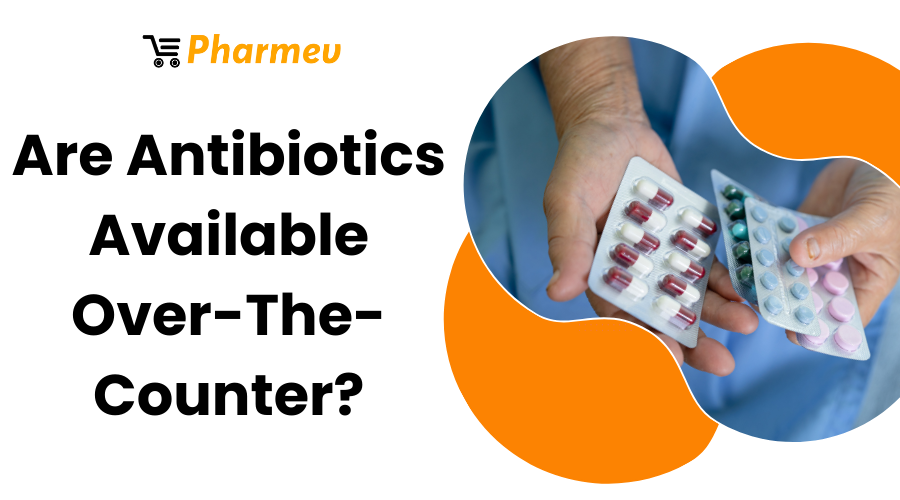
Are There Any Over-The-Counter Antibiotics Available?
Antibiotic resistance, allergic reactions, and inefficient therapy are just a few of the major health problems that can result from the improper or excessive use of antibiotics. Healthcare professionals usually prescribe antibiotics for these reasons to guarantee that the right drug, dose, and length of therapy are used.
When antibiotics are misused, such as when used for viral illnesses like the flu or when the recommended duration of treatment is not followed, bacteria may become resistant to the antibiotics, making them useless in the future.
Nonetheless, topical antibiotics, which are administered directly to the skin, are occasionally sold over the counter in several locations. It is usual practice to treat small wounds, burns, or scrapes using over-the-counter products that include bacitracin, neomycin, or polymyxin B.
Although they are only useful for surface-level problems, these topical antibiotics are intended to prevent or treat bacterial local skin infections. They are not meant to treat more severe illnesses that affect deeper tissue or organ systems, such as internal infections.
A doctor or other healthcare provider must prescribe this for more severe bacterial infections, such as lung infections, urinary tract infections, or bacterial pneumonia. The kind of infection, its severity, the bacteria causing it, and the patient’s general health all have a role in choosing the appropriate antibiotic, therefore, this is crucial.
Why Do Most Areas Not Sell Antibiotics Over-the-Counter?
Although they are potent drugs that particularly target bacteria, they do not work against viral diseases like the flu or the common cold. If antibiotics were widely available without a prescription, individuals might misuse them for illnesses like viral infections for which they are not necessary.
Antibiotic-resistant bacteria, a danger to world health, can arise as a result of this abuse. Inappropriate antibiotic exposure can cause bacteria to adapt, evolve, and become resistant, making it more difficult or even impossible to treat bacteria-caused diseases in the future using conventional antibiotics.
The kind of infection, the probable bacteria, and the patient’s medical history are some of the variables that influence the prescription of antibiotics by healthcare professionals.
People could take the incorrect antibiotic, at the wrong dosage, or for the wrong amount of time without a professional evaluation, which might exacerbate the illness or cause negative side effects.
A physician is ideally suited to keep an eye out for these side effects and modify the course of therapy as necessary. The chance that these responses may go unnoticed or untreated rises when people self-medicate with antibiotics without a doctor’s advice.
This is consistent with antimicrobial stewardship, which seeks to maximize antibiotic usage to reduce damage, avoid resistance, and maintain the capacity to treat bacterial illnesses in the future. To properly regulate antibiotic usage and lower the dangers of inappropriate use, healthcare institutions should make sure that these are only available with a prescription.
Are Viruses Susceptible To The Effects Of Antibiotics?
These are made expressly to target bacteria rather than viruses. Their method of operation involves targeting bacterially specific structures or functions, such as DNA replication, protein synthesis, or the bacterial cell wall.
In contrast, viruses are essentially distinct from bacteria. Antibiotics cannot target them because they lack the same biological processes or structures.
As viruses do not perform their metabolic functions in the same manner as bacteria and depend on their host cells for reproduction, they are useless for viral infections.
The common cold, flu, COVID-19, HIV, and hepatitis, for instance, are all viral diseases that need to be treated with antiviral drugs, which interfere with the viral life cycle in various ways.
Antibiotic abuse, which not only offers no advantages but also fuels the spread of antibiotic resistance, is the use of antibiotics to treat viral illnesses.
This occurs when these are overused, which permits germs to develop resistance to the medications that formerly efficiently treated them.
Only bacterial infections may be treated with these; viral infections require antiviral drugs.
What Is Resistant To Antibiotics?
This happens when bacteria change such that they can live despite being treated with antibiotics that would typically kill them or stop them from growing. This abuse or usage frequently speeds up the development of this resistance, however, it can happen naturally over time.
- Bacteria
To protect themselves from the effects of antibiotics, several bacteria have developed defense mechanisms.
Certain bacteria generate enzymes that degrade the antibiotic, making it useless. To break down medications like penicillin, for instance, some bacteria create the enzyme beta-lactamase.
This can target different targets, and bacteria can alter which ones they target. To make them less vulnerable to antibiotics that target protein synthesis, such as macrolides or tetracyclines, certain bacteria alter the structure of their ribosomes.
They may not reach the necessary concentration to be effective against certain bacteria because they can pump it out of their cells.
To limit antibiotic penetration and make it more difficult for the medication to enter and work, bacteria might change their cell walls or membranes.
A mutation can spread across the population if it gives an advantage in survival while antibiotics are present.
- Resistant Infections
An antibiotic-resistant strain of Staphylococcus aureus that is resistant to beta-lactams and conventional antibiotics like methicillin. Treatment for MRSA infections can be challenging and may include the use of more potent, specialist medicines.
Because this type of TB is resistant to at least two of the best first-line medicines, it is significantly more difficult to treat and necessitates longer courses of stronger medications.
Treatment for VRE-caused infections can be challenging and frequently involves the use of many medications.
These bacteria develop resistance to a variety of antibiotics by producing enzymes that degrade popular beta-lactam antibiotics, such as cephalosporins and penicillins.
- Factors Contributing
Inappropriate use of antibiotics in animals, not finishing an entire course of antibiotics, and taking antibiotics for viral illnesses all lead to the development of resistance.
Antibiotic development has slowed, making it more difficult to combat germs that are becoming resistant.
It is a worldwide health concern because resistant germs can more readily migrate across borders when people or products are transferred.
What Is The Appropriate Usage Of Antibiotics Crucial?
It is essential to use antibiotics appropriately to maintain their effectiveness in treating bacterial infections and to help stop the emergence and spread of antibiotic resistance.
When used properly, they can effectively eradicate dangerous bacteria and aid in a speedy recovery—but only when necessary, in the appropriate dosage, and for the entire recommended length.
On the other hand, germs can adapt and survive if they are abused or misused, such as when taken for viral illnesses, without a prescription, or withdrawn too soon.
It may become more difficult, if not impossible, to treat future illnesses brought on by these surviving bacteria using current medicines if they become resistant.
Using antibiotics sparingly reduces the possibility of these adverse effects and guarantees that patients get the best care possible for their illness. Antimicrobial stewardship, an international initiative to maintain antibiotic efficacy for next generations, is also supported by it.
When used improperly, this can hurt individual patients as well as on public health. The spread of resistant germs inside hospitals, communities, and international boundaries makes treating illnesses more challenging and expensive.
Sometimes, doctors are forced to use more intrusive procedures, longer hospital stays, and older or more toxic medications because they have fewer alternatives for therapy. Healthcare providers thus stress stringent rules for antibiotic prescriptions and inform the public on how to use them properly.
Is A Prescription Required To Get Antibiotics Online?
Yes, in the majority of nations, obtaining antibiotics lawfully and securely online requires a prescription. As with conventional pharmacies, trustworthy internet pharmacies will need a legitimate prescription from a certified healthcare professional before distributing antibiotics.
To prevent dangers including side effects, allergic reactions, and—most importantly—antibiotic resistance, this must be administered for the proper kind of bacterial illness, at the right dose, for the right amount of time, and under medical supervision.
Some websites, however, offer to sell antibiotics without a prescription; they are frequently located in nations with laxer laws. You should stay away from these sources since they are unsafe.
Drugs purchased from these websites might be fake, out-of-date, tainted, or ineffective, which could seriously endanger your health.
Furthermore, purchasing antibiotics without a valid diagnosis might result in the wrong ailment being treated, which could cause therapy to be delayed or inaccurate.
Seeing a doctor in person or via a reliable telemedicine service is the best option if you think you need antibiotics. Consultations with recognized healthcare specialists who may evaluate your symptoms and, if necessary, electronically prescribe medication are now available on several regulated online health platforms.
How Much Time Do Antibiotics Last In Your Body?
The majority of antibiotics start working soon after you take them, but they don’t remain in your body forever. The medicine is progressively removed from your body by your liver, kidneys, or occasionally your intestines after you have completed the recommended course.
For instance, amoxicillin has a half-life of 1 to 1.5 hours, which means that it is primarily eliminated from your body 8 to 12 hours following your previous dosage.
Azithromycin, for example, has a longer half-life than other antibiotics and might stay in your body for a few days after the final dosage.
For this reason, azithromycin can frequently be taken for only three to five days and still be beneficial for a longer amount of time. Antibiotics that are injectable or have extended release may also have longer half-lives and have lingering effects.
Because of this, doctors occasionally change the dosage of antibiotics for patients with long-term illnesses. Although their action may be much diminished at that time, this can still attach to tissues or stay in specific body components, such as the lungs or bones.
Once this has been removed from your body, you are no longer immune to the infection, and any unfinished or lingering therapy may result in a return or worsening of your condition. Furthermore, storing this for later use or sharing it with others raises the danger of antibiotic resistance and encourages inappropriate usage.
If I Suspect That I Require Antibiotics, What Should I Do?
The most crucial thing to do is to speak with a healthcare provider, such as a physician, nurse practitioner, or pharmacist, before taking any prescription if you think you may require antibiotics.
Since many common ailments, like the flu, sore throats, and colds, are caused by viruses that this cannot treat, they are only useful against bacterial infections.
If your sickness is bacterial and needs antibiotics, a professional may evaluate your symptoms, do any tests that may be required, and make that determination.
Taking the incorrect antibiotic or dosage can be dangerous, so avoid self-diagnosing or using medications that are left over from a previous sickness. If the doctor thinks you need antibiotics, they will prescribe the appropriate kind, dosage, and length of time for your illness.
Even if you begin to feel better before finishing the course, it is important to adhere to their recommendations precisely to guarantee that the infection is completely treated and to lower the danger of antibiotic resistance.
To put it briefly, the safest and most efficient course of action is to be examined rather than to guess. In addition to safeguarding your health and the future efficacy of antibiotics, a proper diagnosis guarantees that you receive the therapy you require.
In What Circumstances May Over-The-Counter Antibiotics Be Available?
This could be possible in some situations, but these are rare occurrences rather than the rule, and they often entail topical or non-systemic therapies as opposed to oral antibiotics.
These products, which are frequently seen together, aid in preventing bacterial skin infections. Without medical supervision, they should not be used to serious cuts or major wounds, nor are they appropriate for interior infections.
For short-term usage, some nations permit the use of mild antibiotic eye or ear drops without a prescription.
These are mainly low-strength formulations that are accessible under a pharmacist’s supervision and are used to treat small ear infections or mild bacterial conjunctivitis. But in many regions, even these still need a prescription because of the possibility of misdiagnosis or improper usage.
Over-the-counter (OTC) sales of antibiotics for pets or animals are possible in some areas. Veterinary supervision or agricultural management are the intended uses for them. However, because the formulations, doses, and safety standards vary greatly, it is risky and strongly discouraged to use veterinary antibiotics for human sickness.
Access is made simpler, yet there is a greater chance of drug abuse, resistance, and counterfeiting. The World Health Organization and other national health organizations advocate for more regulations and caution against this practice.
There are several more bacterial infections kinds that we offer a variety of brands of medications to treat. Our selection of medications is extensive and includes some of the most reputable international brands that the FDA has approved. However, we also provide a range of generic medications that are very affordable and contain the same ingredients and dosage.
How Should I Proceed If I Believe I Require Antibiotics?
Consult a physician, nurse practitioner, or other licensed healthcare professional first, either in person or via a telemedicine service. They are able to diagnose if your disease is due to a virus or bacterium, evaluate your symptoms, and do the required testing. This only work on bacterial illnesses, thus a correct diagnosis is essential.
This was prescribed to someone else or was left over from a prior sickness and should never be taken. These may not work, have expired, or are not the right kind for your condition. Inadequate therapy, adverse effects, and the emergence of microorganisms resistant to antibiotics can result from the misuse of antibiotics.
Take antibiotics precisely as directed by your doctor, including the recommended dosage, timing, and duration, if your doctor says they are essential. Even if you feel better after a few days, you should not quit too soon because this might lead to a recurrence or resistance by allowing the germs that are still there to grow.
Get in touch with your doctor right away if something strange happens. You could also require a reevaluation if, after a few days, your symptoms increase or don’t get better.
Last Words:
You must first visit our website, look for the brand of pills and the dosage you’re looking for, then just add them to your basket and start the checkout process.
Yes, all of the dosages for both adults and children are available on our website for any kind of generic antibiotic ingredient.
Pharmev must always be your first choice when considering the purchase of any kind of antibiotic medication, such as Augmentin, for the reasons listed below.