Introduction:
Among its many advantages, thymoquinone may help with wound healing, treat certain skin disorders, and aid with weight control.
It is noteworthy, although, that there aren’t many extensive, high-caliber investigations on black seed oil in people. As a result, it is challenging to get definitive judgments.
Black Seed Oil can be used topically or taken orally. Although they are rare, severe adverse effects are possible. This covers the potential for an allergic response.
This article examines the science underlying these advantages as well as potential hazards and adverse consequences.
This might help reduce blood sugar, treat inflammatory diseases like arthritis, aid in weight reduction, and more. This has been used for generations in traditional medicine, but further research is required to fully grasp its advantages.
Many health advantages might result from this, including the treatment of diabetes, acne, asthma, and more. There are liquid and pill forms available. Black Seed Oil can be used topically or taken orally, depending on the ailment.
This article examines the prospective health advantages of black seed oil in addition to any potential negative effects and dosage details.
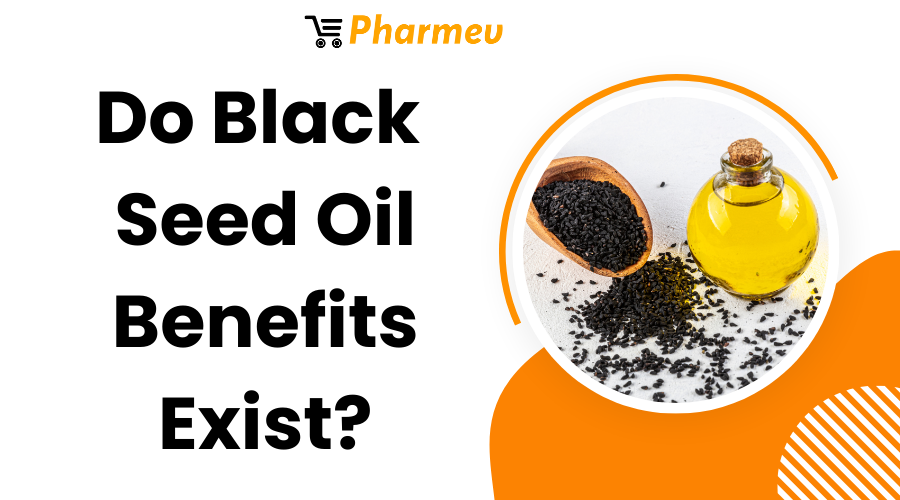
What Is Black Seed Oil?
Sativa fruits have been utilized as a natural medicine. Bread, pickles, and curries can all be flavored with the seeds.
Thymoquinone, an antioxidant and anti-inflammatory substance, is present in this. Black Seed Oil can be used topically or taken as capsules to help people’s skin. The oil may also be used in handmade skincare items, shampoos, and massage oils.
Antioxidants, essential fatty acids, and bioactive chemicals abound in the oil; thymoquinone stands out among them since it is thought to possess anti-inflammatory, antioxidant, and anticancer qualities.
These substances have traditionally been used to treat a broad range of illnesses, such as asthma, digestive problems, skin concerns, and even metabolic disorders like diabetes, as well as to boost immunological function and reduce inflammation.
Recent studies have validated some of these traditional applications, suggesting that they may help control cholesterol, decrease blood pressure, and enhance blood sugar levels.
Moreover, because of its antibacterial and anti-inflammatory properties, it is used topically to help relieve skin diseases, including psoriasis, eczema, and acne.
If you currently have erectile dysfunction and need to take sildenafil tablets to become hard, this might be a quick and natural solution.
This page will explain how to use black seed oil, identify some potential side effects, and discuss some of its health advantages.
Potential Benefits for Skin and Hair
This is made from the seeds of the Nigella sativa plant and is becoming more and more well-liked in natural beauty and health regimens because of its high.
It has been used in traditional medical systems for generations to treat a wide range of illnesses, and science is now starting to discover all the ways it may promote healthy skin and hair.
A major contributing component to the development of acne, sebum production, is regulated by the presence of thymoquinone.
Black Seed Oil may aid in the fading of dark spots, scars, and hyperpigmentation while encouraging skin regeneration. For those with post-acne blemishes or discoloration from sun exposure or hormonal fluctuations, this is extremely helpful.
Black Seed Oil is believed to increase scalp blood flow, which can improve nutrition delivery to hair follicles and encourage growth.
Black Seed Nutrition Facts
- Calories: 45
- Protein: 0 grams
- Fat: 5 grams
- Sugar: 0 grams
- Fatty acids: 1 gram
- Sodium: 0 milligrams
- Carbohydrates: 0 grams
- Calcium
- Iron
- Zinc
- Copper
- Thiamin
- Niacin
- Phosphorous
- Folic Acid
- Vitamin B6
- Vitamin B2
Despite being high in nutrients, this is powerful, and a small amount goes a long way. Instead of consuming the entire 100g amounts, most individuals just eat 1-2 grams of raw seeds or 1-2 tablespoons of black seed oil daily. Always think about serving sizes and get medical advice before using anything for therapeutic purposes.
The Benefits of Black Seed Oil for Human Health
Its function in promoting immunological function, maintaining metabolic equilibrium, and preventing chronic illnesses is supported by both scientific research and conventional wisdom.
Strong antioxidants including thymoquinone, which help scavenge free radicals and lessen oxidative stress, are present in this. The body becomes more resilient to illnesses and infections as a result of this immune system strengthening. In order to maintain a balanced immune response that is neither too active nor too weak, it could also aid in immunological regulation.
Anti-inflammatory qualities can help combat chronic inflammation, which is a major cause of heart disease.
This has been demonstrated to enhance insulin sensitivity and fasting blood glucose levels, which may be advantageous for diabetics. It could help guard against oxidative stress in the pancreas, which is the organ that produces insulin.
Black Seed Oil is beneficial for those with arthritis, joint pain, and other inflammatory diseases because of its anti-inflammatory qualities. When used consistently, it may help enhance general joint mobility and lessen rheumatoid arthritis symptoms.
This is frequently administered topically, but when consumed orally, it may also feed the body from the inside out, which may help the skin and hair. In skin disorders like eczema, it can lessen inflammation, enhance skin texture, and promote better, more robust hair growth.
How Much Black Seed Oil to Take
A normal daily dose for most healthy individuals is between ½ teaspoon and 1 teaspoon, either taken by itself or in combination with food or drink. The exact amount will vary depending on the person’s age, health, and reason for taking it.
This small dose is usually regarded as safe and beneficial for promoting overall health, including immune system function, inflammation reduction, and improved skin or hair.
To treat particular health conditions, including high blood pressure, asthma, or metabolic problems, some people progressively raise the dosage to up to two teaspoons daily; however, larger dosages should always be used carefully, ideally with a healthcare professional’s advice.
Since this is quite strong, especially when pure and cold-pressed, it is advised to start with a tiny dose to determine tolerance. It is advised to take the oil with meals to reduce the possibility of stomach distress, and the taste, which is frequently characterized as bitter or spicy, can be lessened by drinking water afterward.
People taking medication, pregnant women, and nursing mothers should speak with a doctor before using the Black Seed Oil product since large dosages may cause hormonal side effects or interfere with other prescriptions.
Furthermore, unsupervised excessive consumption over an extended period may cause digestive problems or, in rare instances, liver or renal strain. This may be a potent and organic support for general health and wellness when used properly.
Is The Daily Use Of Black Seed Oil Acceptable?
Yes, most healthy folks feel Black Seed Oil is safe to use regularly, especially when taken in moderation.
For ages, black seed oil has been utilized regularly in traditional medical systems as a natural way to preserve general health.
When taken with meals, it is generally well tolerated by most individuals; nevertheless, excessive dosages or prolonged usage without supervision may cause minor gastrointestinal distress or, in rare instances, put stress on the kidneys or liver.
A doctor should be consulted before beginning frequent usage by people with certain medical problems, such as those using blood thinners, blood pressure, or diabetic medicines, or by women who are pregnant or nursing, since this may interfere with certain medications or hormones.
Starting with a small dose and increasing it gradually while monitoring your body’s reaction is a smart way to guarantee optimal safety and efficacy. All things considered, when taken sensibly and in moderation, this may be a beneficial supplement to a regular health regimen.
Potentially Helpful for Black Seed Oil
This possesses significant bioactive components that may aid with a variety of health issues, including thymoquinone, which has immune-modulating, anti-inflammatory, anti-microbial, and antioxidant qualities. Here are the main domains where this has demonstrated potential:
- Immune Support
The special mix of active ingredients in black seed oil, especially thymoquinone, which has been demonstrated to have significant antioxidant, anti-inflammatory, antibacterial, and immune-modulating qualities, provides high immunological support.
Black Seed Oil helps keep the immune system in balance by scavenging dangerous free radicals and lowering systemic inflammation, which keeps the system from becoming hyperactive or underactive. Therefore, it may be useful in avoiding common illnesses like the flu and colds, easing the symptoms of allergies, and promoting the healing process after infections.

- Respiratory Health
Its anti-inflammatory, antioxidant, and bronchodilator qualities—which help calm the respiratory system, lessen inflammation, and enhance lung airflow—are especially well known for their positive effects on respiratory health.
Because it prevents histamines from being released into the body, this can help control allergic symptoms like hay fever or seasonal allergies. Chemicals called histamines are what cause common allergy symptoms including sneezing, itchy eyes, and congestion in the nose.
Apply this to your back or chest after mixing it with a carrier oil to help ease congestion and facilitate breathing.
- Digestive Health
Most individuals may safely take this in moderation, however, persons who have underlying digestive disorders, such as ulcers or gastritis, should use it with caution. Speaking with a healthcare professional before beginning any new supplement is usually a good idea, particularly if you have long-term digestive problems or are on medication.
Use Black Seed Oil in conjunction with a diet high in fiber, lots of water, and frequent exercise to promote digestive health in general.
Steer clear of highly processed meals and high sugar content since they can upset the equilibrium of your gut microbiota and cause stomach problems.
Through blood sugar stabilization and the avoidance of blood sugar crashes and surges, the oil may also aid in appetite management, lowering the desire to overeat.

- Blood Sugar Regulation
By increasing insulin sensitivity, the body can use insulin more efficiently, lowering the risk of blood sugar spikes after meals. It is beneficial for those who have diabetes as well as those who are at risk of getting the disease because of this impact.
Black Seed Oil has been demonstrated to promote the pancreas’s well-being and aid in its optimal operation. For people who have high blood sugar levels or are at risk of developing diabetes, this may entail lowering oxidative stress in pancreatic cells.
Thymoquinone, a key active ingredient in black seed oil, has been demonstrated to lower inflammatory indicators, which helps control glucose metabolism and insulin sensitivity.
- Heart Health
The capacity of black seed oil to reduce LDL and triglycerides, two cardiac disease risk factors, is one of its main heart health advantages.
Black Seed Oil can raise HDL, which aids in removing excess cholesterol from the bloodstream and promotes good cardiovascular function, according to research.
Regular usage may help those with mild to moderate hypertension, and it may be a helpful supplement to doctor-prescribed drugs or lifestyle modifications.
By functioning as an antioxidant, this aids in the neutralization of free radicals, which are chemicals that cause cellular damage and inflammation.
- Skin Conditions
For a variety of skin issues, including sunburn, eczema, acne, and anti-aging, this can be a flexible and successful therapy. Adding this to your skincare regimen can be beneficial, whether your goal is to combat infections, inflammation, or dehydrate your skin.
Additionally, this improves the condition of the hair and scalp by lowering dandruff, stopping hair loss, and promoting hair growth. You may massage it into your scalp and then wash it off after a few hours or overnight.
Stretch, which can be brought on by pregnancy or fast muscular growth, can occasionally be lessened with this. Over time, stretch marks may become less noticeable due to this improvement in skin cell renewal and skin suppleness.
- Hair Health
The potential for this to promote hair development is among its best-known advantages. Vitamins, minerals, and vital fatty acids included in the oil stimulate healthy hair formation by nourishing the hair follicles.
For 5 to 10 minutes, massage black seed oil into the scalp. For a more thorough treatment, leave it on overnight, or keep it on for at least half an hour before shampooing it off.
- Pain Relief
The cramps and muscular spasms that come with menstruation are lessened by this. It can help lessen cramp pain and discomfort by increasing blood flow to the pelvic area.
To ease menstrual cramps, massage the lower belly gently in a circular manner with diluted black seed oil. For even more alleviation, apply a warm compress to the affected region.
By lowering inflammation in the spine and surrounding tissues, this relieves strain on the muscles and nerves. Additionally, it could help ease lower back strain and enhance blood flow, which would alleviate chronic pain.
- Weight Management
Thymoquinone, vital fatty acids, vitamins, minerals, and other bioactive substances are abundant in this substance, which may promote healthy weight reduction and preserve a balanced metabolism. It is not a magical weight loss method, but when paired with a nutritious diet and regular exercise, it may be a helpful tool.
One of the most important components of weight management is appetite control. Snacking in between meals and uncontrolled desires may be lessened as a result. This is crucial for people who are attempting to maintain a healthy weight or reduce their weight.
Regular use of black seed oil topically or internally can help control inflammation. Including it in your routine may help your body’s attempts to burn fat and decrease fat accumulation.
- Antioxidant Protection
An imbalance between the body’s antioxidants and free radicals leads to oxidative stress. The development of chronic illnesses including cancer, heart disease, and neurological disorders is facilitated by free radicals, which are unstable chemicals that may harm DNA, cells, and tissues.
Applying this directly to the skin helps lessen the obvious indications of aging. For internal antioxidant protection that promotes skin health from the inside out, it can also be taken orally.
This contains thymoquinone, which has been demonstrated to shield brain cells and neurons from oxidative damage. Age-related and neurodegenerative disease-related cognitive loss may be avoided or postponed with the use of this protection.
- Hormonal Balance
This includes thymoquinone, a substance that has been demonstrated to help the thyroid gland operate. It could support the thyroid’s ideal operation, lower thyroid inflammation, and control thyroid hormone levels. This may help avoid hormonal abnormalities linked to the thyroid.
By assisting the adrenal glands in their hormone-producing function, black seed oil’s anti-inflammatory and adaptogenic qualities lessen the negative effects of stress on the body. This can help sustain adrenal function and promote hormonal balance by lowering inflammation and regulating cortisol.
When this is used daily, it can help women who have irregular periods or PCOS symptoms. Regular usage may also help men who have reproductive problems or low testosterone levels.
It shouldn’t be used in place of medical care; instead, it should be taken in the right amounts. If you’re using it in conjunction with other drugs or for a specific medical condition, always get advice from your doctor.

Who Is Unable To Consume Black Seed Oil?
Due to possible uterine-stimulating effects, pregnant women should avoid drinking large amounts of black seed oil. According to certain research, using significant amounts of black seed oil may raise your chance of miscarriage or early delivery.
Since its effects during pregnancy are not entirely understood, it is best to err on the side of caution. This has been used traditionally for a variety of medical issues.
Research on this topic’s safety during nursing is few. Although this is usually regarded as safe in modest amounts, several of its components may have an impact on breast milk production or perhaps be transferred to the baby.
Breastfeeding women should take black seed oil with caution due to the possibility of negative consequences.
This can both strengthen and weaken the immune system, which may throw off the body’s equilibrium and make autoimmune diseases harder to treat.
Before adding black seed oil to your regimen, it is important to speak with your doctor if you are using blood thinners to prevent any potentially harmful reactions.
For children, it’s best to consult with a pediatrician before administering black seed oil, especially in higher doses or as a remedy for specific conditions.
Consult with a healthcare provider if you have liver or kidney conditions to determine whether this is safe for you to use and in what quantities.
Side Effects and Risks
This supplement does not replace medicine and may result in drug interactions, despite the fact that it appears to have certain health advantages.
Certain enzymes that break down drugs may be inhibited by thymoquinone, which reduces their effectiveness. For this reason, before using any herbal supplement, consumers should see a doctor.
The physician can offer guidance on potential side effects, potential benefits, and potential interactions.
As with any supplement, anyone who is pregnant or nursing should see a physician before using this one to determine whether it is appropriate for them.
- Nausea
- Bloating
- A Burning Sensation
- Indigestion
- Low Blood Sugar
In a 2018 case study, three individuals applied black seed oil to their skin and developed a severe rash. Consequently, it is essential to test it first on a little patch of skin to make sure it doesn’t cause an adverse reaction. It is also important for people to avoid getting oil in their eyes, noses, or other delicate areas of their bodies.
What Is The Usefulness Of Black Seed?
Because thymoquinone, its active ingredient, strengthens the body’s natural defenses, it helps to bolster the immunological response. Frequent ingestion may offer protection against common infections and diseases, including colds.
This can help manage long-term disorders such inflammatory bowel diseases, asthma, and arthritis because of its potent anti-inflammatory properties.
According to some research, this may help lower waist circumference and body weight by affecting metabolism and decreasing hunger.
Thymoquinone, its main bioactive ingredient, has been researched for its anti-inflammatory, anti-cancer, anti-microbial, and antioxidant properties, and it contributes significantly to its effectiveness.
Although this is good for most people, pregnant women, persons using blood thinners, and those with specific medical problems should take it carefully. Before taking it therapeutically, always get advice from a healthcare professional.
This value comes from its ability to support general health and well-being in a variety of ways. It is a multipurpose natural medication that may be used to improve skin and hair, lower inflammation, boost immunity, and protect organs. Although it is typically safe when taken in moderation.
Is It Possible For Black Seed Oil To Help With Back Pain?
By preventing the body from producing pro-inflammatory cytokines, which are chemicals that cause pain and swelling, thymoquinone, the main active ingredient in black seed oil, has been demonstrated to lessen inflammation.
Additionally, some patients take it orally, often consuming 1 to 2 tablespoons daily, to help manage inflammation from the inside out. This dual strategy could provide more thorough assistance for people who are coping with both acute injuries and persistent back pain.
Furthermore, this may eventually aid in the regeneration of damaged tissues and enhance joint function due to its necessary fatty acid and antioxidant content.
Even while many patients report excellent outcomes, significant back issues such as ruptured discs, spinal fractures, or nerve compression should not be treated with this treatment alone.
It might be used as a supplemental therapy in certain situations in addition to more traditional therapies like physical therapy, medicine, or chiropractic adjustments.
Like any natural cure, it’s best to speak with a doctor before beginning regular use, particularly if you have a chronic illness or are on medication. Its anti-inflammatory, muscle-relaxing, and pain-reducing properties make it a promising natural remedy for back pain.
Does Using This Oil While Pregnant Make It Safe?
According to certain research, some women may have more uterine contractions if they use this, which is worse till the end of their pregnancy. In such circumstances, even using tadafem is not safe.
Particularly if taken in concentrated or high dosages, certain animal studies indicate that this may cause uterine muscles to contract, increasing the chance of miscarriage or premature delivery.
It has been demonstrated that this affects hormone activity, which might disrupt the delicate hormonal balance that occurs during pregnancy.
The effects of black seed oil on expectant mothers have not been thoroughly studied on a broad scale. In the absence of compelling data to support its safety, medical experts often err on the side of caution.
Pregnancy is the ideal time to avoid this unless your doctor or midwife explicitly authorizes its usage. Using supplements and cures that are well-known and clinically confirmed to be safe throughout pregnancy is a safer option if you’re searching for natural solutions to boost your health during pregnancy.
Last Words:
Black seed oil is not regulated by the FDA as a supplement. It could also aid in weight control and inflammatory diseases.
It’s crucial to consult a healthcare provider before using any natural cures or supplements, particularly if you use prescription drugs. This may not be suitable for your particular requirements or may interfere with other medications and supplements. Go to our Pharmev website.