Introduction:
These days, cardiac problems and illnesses are becoming a bigger health concern. Early reporting of heart problems and illnesses to the doctors is necessary. The most obvious sign of heart problems is frequently experiencing chest discomfort.
For an early diagnosis and to learn the appropriate treatments, you should see a doctor if you experience chest discomfort frequently.
This article will tell us what people with heart Problems need to do. We will ascertain what they need to disclose when speaking with the physicians and suggest appropriate dietary and lifestyle modifications that might resolve the Heart problems.
When you have this, it’s crucial to exercise frequently. You can control your blood pressure and cholesterol levels and improve your heart muscle by exercising.
Your heart is unable to pump enough blood to meet your body’s demands for oxygen and blood at this point. This condition does not imply that your heart stops beating. Blood flows more slowly through your body and heart, and your heart’s pressure increases.
An expert in medicine checks you and listens to your heart to diagnose heart Problems. Typically, inquiries regarding your symptoms and medical history—both personal and family—are asked.
What are Heart Problems?
Conditions that interfere with the heart’s natural function are referred to as heart Problems. The cardiac muscle, blood vessels, or electrical system may be affected by Heart Problems. There might be major health repercussions if the heart’s beat is erratic or does not pump blood as efficiently as it should.
This occurs when a blockage in a coronary artery prevents blood flow to a portion of the heart muscle, which can lead to muscle damage or death.
The body accumulates fluid because the heart cannot pump blood efficiently in this situation. Leg swelling, exhaustion, and shortness of breath are some of the symptoms.
This is not a heart ailment per se, but it puts additional strain on the heart and blood arteries, which can result in major cardiac problems including heart failure, stroke, and kidney damage.
Numerous factors can contribute to heart difficulties, such as bad lifestyle choices (such as smoking, eating poorly, and not exercising), genetics, high blood pressure, or prior heart traumas.
It’s critical to see a healthcare professional for assessment and diagnosis if you have symptoms such as dizziness, shortness of breath, chest discomfort, or irregular heartbeats.
- Coronary artery disease and other blood vessel conditions.
- Heartbeat irregularities, or arrhythmias.
- Congenital heart defects are cardiac disorders that you are born with.
- Illness of the cardiac muscle.
- Heart valve disorders.
By adopting healthy lifestyle choices, many types of heart disease can be avoided or cured.
Physical Activity and Your Heart
It’s essential to engage in regular exercise when you have heart disease.
Your heart muscle can become stronger with exercise. You might be able to engage in more activities without experiencing symptoms like chest discomfort.
Exercise may help reduce cholesterol and blood pressure. It can assist you with blood sugar management if you have diabetes.
Frequent exercise can aid with weight loss. You will feel better, too. You can maintain strong bones by exercising.
Consult your healthcare practitioner before beginning an exercise regimen. It is important to confirm that the activity you want to conduct is safe for you. This is crucial in particular if:
- You suffered a heart attack lately.
- You have been experiencing shortness of breath or tightness in your chest.
- You have diabetes.
- You just underwent heart surgery or a cardiac treatment.
Treatment of Heart Problems
The kind and severity of a cardiac issue determine the course of treatment. A mix of medicines, medical treatments, lifestyle modifications, and occasionally surgery is used to treat heart Problems.
- Lifestyle Changes
Eating foods low in saturated fats, fats, and cholesterol is part of a heart-healthy diet. Place a focus on lean meats, whole grains, fruits, vegetables, and healthy fats.
Walking, swimming, and cycling are examples of regular physical activities that strengthen the heart and enhance cardiovascular health in general. The majority of standards suggest engaging in moderate-intensity exercise for at least 150 minutes per week.
One of the main causes of heart disease risk is smoking. The risk of further heart and blood vessel damage is decreased by quitting.
Long-term stress can aggravate heart disease. Stress-reduction methods that promote heart health include yoga, meditation, and relaxation exercises.
Overindulgence in drinking can cause heart disease and increase blood pressure. If at all possible, it is advisable to drink in moderation.
- Medications
Your doctor may recommend drugs like beta-blockers, diuretics, calcium channel blockers, or ACE inhibitors if you have high blood pressure to decrease blood pressure and lessen cardiac strain.
The risk of coronary artery disease and heart attacks can be decreased by using statins and other drugs to lower cholesterol and lessen plaque accumulation in the arteries.
Anticoagulants or aspirin are examples of blood-thinning drugs that may be provided to those who are at risk of blood clots to lower that risk.
Through the removal of extra fluid from the body, the reduction of edema, and improved cardiac pumping efficiency, these are utilized to assist treat heart failure.
Anti-arrhythmic Drugs: Drugs can assist regulate the heartbeat and avoid consequences if you have an arrhythmia.
- Medical Procedures
If coronary arteries become clogged, an angioplasty technique may be done to clear the obstruction. The artery may be kept open by inserting a tiny mesh tube known as a stent.
Surgery to clear clogged arteries and restore blood flow to the heart muscle may be necessary in situations of severe coronary artery disease.
Those who suffer from severe arrhythmias utilize these devices. While an ICD can shock the heart to treat potentially fatal arrhythmias, a pacemaker aids in cardiac rhythm regulation.
Surgery may be necessary to replace or repair heart valves that are diseased or damaged. Depending on the extent of the problem, either less intrusive methods or conventional surgery may be used to do this.
A method known as catheter ablation may be performed to remove the little patch of tissue producing irregular heartbeats in some forms of arrhythmias.
- Surgery
A heart transplant can be required in severe situations where the heart is seriously damaged and no other therapies are working.
Surgery could be necessary to remove or treat an aneurysm, which is a weak spot in the heart or blood arteries.
- Monitoring
It’s critical to treat heart disease with your healthcare practitioner via ongoing monitoring, particularly if you have coronary artery disease, heart failure, or arrhythmias. This might entail routine examinations such as stress tests, EKGs, and echocardiograms.
Cardiac rehabilitation programs provide supervised exercise, education, and counseling to those recuperating from heart attacks or surgery to enhance healing and lower the risk of further heart Problems.
- Complementary Therapies
To manage the symptoms of heart disease, some patients look for alternative therapies like massage, acupuncture, or vitamins. However, as they could conflict with traditional therapies, these should always be reviewed with a healthcare professional before beginning.
- Mental Health Support
Managing Heart problems can be emotionally taxing. You can manage the stress, worry, or sadness that may come with heart disease with the aid of therapy or support groups.
Seeking a Diagnosis and Conferring With the Physicians
Naturally, seeking medical advice is the first and most urgent step in treating Heart problems.
You should check with your doctor if you have symptoms like chest discomfort, trouble breathing, frequent coughing, wheezing, limb swelling, exhaustion, or an abrupt increase in heartbeat.
The most typical signs of Heart problems are frequently these.
A skilled cardiologist will advise appropriate diagnostic testing to identify any significant cardiac problems.
The most popular diagnostic procedures for identifying any cardiac conditions include blood tests, ECGs, CT scans, MRI scans, chest X-rays, blood pressure tests, ultrasounds, and so on.
It’s important to keep in mind that speaking with doctors is a necessary first step. Doctors must properly diagnose you if you already have serious cardiac problems before they can suggest an appropriate course of therapy.
Keep in mind that heart conditions can also impact a man’s sexual life by making it harder to get a firm and powerful erection, which is made possible by using sildenafil tablets.
Make a note of your symptoms, including when they happen, how long they persist, and any factors that appear to exacerbate them. Your doctor will benefit from this information.
Are there any family members with a history of diabetes, high blood pressure, or heart disease?
Your present prescription regimen and any allergies previous heart or general health-related operations, treatments, or medical conditions.
Prepare to discuss lifestyle issues such as stress levels, weight, exercise, smoking, and alcohol use. These may have an impact on your heart health.
Jot down any queries or worries you may have regarding your symptoms, potential diagnosis, and available treatments. This makes sure you don’t overlook anything crucial throughout the consultation.
Never be afraid to ask another cardiologist or healthcare professional for a second opinion if you have any questions regarding the diagnosis, the course of therapy, or just want additional information. It’s critical to feel secure and knowledgeable about the choices being made for your health.
Tests of Heart Problems
Your arms, legs, and chest are fitted with tiny electrodes that capture the electrical impulses from your heart. Ultrasound employs sound waves to provide fine-grained pictures of the anatomy and physiology of the heart.
It can assist in discovering congenital heart defects, heart failure, and valve issues by demonstrating how effectively the heart’s chambers and valves are functioning. Images of your heart are created by applying a gel to your chest and moving a portable instrument, known as a transducer, over the skin.
Exercise begins slowly and is intensified until your heart rate reaches a certain level or symptoms appear. If exercise is not possible, a drug that simulates exercise may be administered in its place. It assists in determining how well your heart functions under physical stress, which might indicate problems with blood flow, including arrhythmias or clogged arteries.
As you lie on a table, your heart and blood arteries are captured in fine detail by a CT scanner. It may be possible to inject a contrast color to draw attention to the blood vessels. You are lying on a surface that slips into a device that captures fine-grained pictures of your heart. To get better pictures, a contrast dye is occasionally injected.
For those with heart failure or other respiratory disorders, it helps evaluate how well your heart and lungs are supplying oxygen to your body. Some of these tests may be part of routine check-ups with your healthcare provider if you are at risk for heart disease as a preventive step.
If you have questions about the health of your heart or are having symptoms, speak with your healthcare professional. The tests that are required will be determined by taking into account your medical history, risk factors, and symptoms.
What Signs Of Heart Disease Are Present?
Depending on what is wrong, you may experience a variety of heart disease symptoms. Symptoms of heart disease might include:
- A rapid or pounding heart
- Sweating
- Dizziness
- Breathlessness
- Lightheadedness or abrupt, inexplicable unconsciousness
- Pain, pressure, heaviness, or discomfort in the upper body or chest
- Discomfort in the neck
- Indigestion or indigestion.
- Vomiting or feeling queasy
- Your lower body swelling
- Fatigue
- Difficulty falling asleep
- Inability to withstand exercise
- Fever
Heart Problems Symptoms in the Blood Vessels
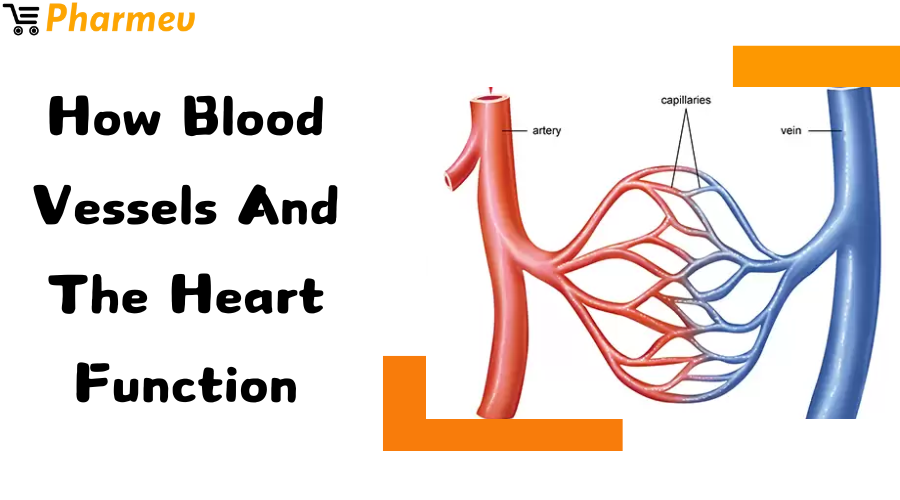
The main blood veins that nourish the heart muscle are impacted by coronary artery disease, a common cardiac disorder. The most common cause of coronary artery disease is an accumulation of lipids, cholesterol, and other materials in and on the arterial walls.
We term this accumulation plaque. We refer to the accumulation of plaque in the arteries as atherosclerosis. The heart and other areas of the body receive less blood when atherosclerosis is present. A heart attack, chest discomfort, or stroke may result from it.
- Angina is characterized by discomfort, tightness, pressure, and pain in the chest
- Breathing difficulties
- Back, upper abdomen, throat, jaw, or neck pain
- If there is a narrowing of the blood arteries in the arms or legs, there may be pain, numbness, weakness, or coldness.
A heart attack, angina, stroke, or heart failure may occur before coronary artery disease is identified. Keeping an eye out for cardiac problems is crucial. Any worries should be discussed with your medical staff. In certain cases, routine health examinations can detect heart problems early.
Suitable Changes in Your Diet and Lifestyle
It makes perfect sense that your ordinary lifestyle may be prohibited or severely limited after receiving a heart condition diagnosis. Let’s examine some preventative measures you may take to address any Heart Problems through your lifestyle and food.
- A Balanced Diet for Heart Heart Problems
Of course, rigorous dietary guidelines would be advised for any patient with Heart problems.
You will no longer be able to consume red meat, fatty meals, fried foods, fast food, or anything else that includes cholesterol or other harmful fats.
To treat your heart Problems, the doctors would advise you to eat certain foods, like fruits and vegetables that are high in vitamins, minerals, omega-3 fatty acids, antioxidants, and other vital micronutrients that are vital for your heart, like potassium, magnesium, selenium, manganese, and so forth. The physicians would advise you to eat veggies like bell peppers, tomatoes, spinach, kale, broccoli, pumpkin, and so on.
For a heart patient, foods like avocados, dry fruits, melons, and papayas can be quite beneficial.
- Regularly Working Out
You can state with certainty that someone with serious Heart problems needs to exercise.
Generally speaking, two kinds of activities can help treat cardiac conditions.
Breathing exercises are one of them since they help regulate your heartbeat, and the other is a series of activities that would improve the heart’s general functioning. It is advised that you practice breathing techniques in addition to running, jogging, swimming, cycling, skipping, and morning walks. These activities support proper blood flow and heart rate.
These kinds of activities are also advised for guys who use tadalafil tablets.
- Getting the Right Sleep
Getting enough sleep is a big part of avoiding heart problems. Frequently, one of the main reasons for cardiac problems is inadequate sleep at night. Your heart beats more slowly when you sleep, which is crucial for the health of your heart.
After receiving a diagnosis of any cardiac condition, it is crucial to make sure you receive adequate sleep each night. You need to make sure you get at least 8 to 10 hours of sleep per night.
- Steer clear of alcohol
Alcohol is not the only substance that contributes significantly to cardiac problems. However, other addictive drugs including excessive smoking, vaping, and the use of narcotics like cocaine and marijuana are also the main causes of cardiac problems.
If you want to fully recover from any serious Heart problems, you need to break these compulsive habits.
It is discovered that more than 40% of males with any significant cardiac condition are hooked to drugs that have caused heart problems over many years.
It’s crucial to gradually transition to non-nicotine substitutes in your life, or else aim to abstain from drinking and smoking entirely.
Keep in mind that smoking and drinking alcohol also impair men’s sexual lives, necessitating the usage of medications containing vardenafil.
- Reducing Problems with Obesity and Overweight
For both young males under 40 and even older adults over 50, obesity and overweight are substantial contributors to heart disease.
Therefore, you must start taking all the required actions to overcome the problems of obesity and overweight.
Exercise, cutting back on bad foods, and switching to organic foods are a few strategies.
Male sexual diseases including erectile dysfunction, for which Kamagra Oral jelly is prescribed, are also primarily caused by obesity.
- Regularly Practicing Meditation and Yoga
It’s also critical to de-stress. In a few years, Heart problems may arise as a result of extreme tension, stress, anxiety, and despair. Doing yoga and meditation every day is one of the finest strategies to reduce mental stress.
Regularly engaging in yoga and meditation can significantly improve heart health as well as mental and physical well-being. These techniques have a reputation for lowering blood pressure, enhancing circulation, reducing stress, and enhancing general well-being.
Long-term stress is a significant heart disease risk factor. The relaxation response, which is triggered by meditation, lowers the body’s synthesis of stress chemicals like cortisol. In addition to lowering blood pressure, this can lessen the risk of heart-related problems.

Signs of Heart Illness Brought On By Congenital Cardiac Problems
A congenital heart defect is a disorder that affects the heart from birth. Most of the time, serious congenital cardiac abnormalities are discovered shortly after delivery. Children with congenital cardiac defects may exhibit the following symptoms:
- Gray or blue skin. The visibility of these alterations may vary depending on the color of the skin.
- Swelling in the abdomen, legs, or spots surrounding the eyes.
- Breathing difficulties during feedings, which might result in inadequate weight growth in a baby.
Congenital cardiac abnormalities can sometimes go undetected until later in childhood or maturity.
- Experiencing severe dyspnea while exercising or doing something else.
- Tired easily when exercising or doing other activities.
What Are The Risk Factors For A Heart Problems?
Modifiable and non-modifiable variables can be used to broadly classify the risk factors for Heart problems. It is essential to comprehend these risk variables as they can direct methods for prevention and therapy.
- Non-Modifiable Risk Factors
The likelihood of getting Heart problems rises with age. Women’s risk increases beyond the age of 55, and men’s risk usually increases beginning around age 45.
Earlier in life, males are more likely to get heart disease, but after menopause, women’s risk rises dramatically because estrogen levels, which prevent heart disease, decline.
Your risk is increased if there is a family history of heart disease, particularly in close relatives like parents or siblings. Heart disease can also be caused by inherited disorders such as familial hypercholesterolemia, or high cholesterol.
Certain genetic abnormalities, such as hereditary illnesses that result in faulty blood coagulation, cardiac defects, or excessive cholesterol (such as familial hypercholesterolemia), can raise the risk of heart disease.
- Modifiable Risk Factors
Heart difficulties are exacerbated by coronary artery disease, high blood pressure, and high cholesterol, all of which are increased by poor diet.
One of the main causes of obesity, hypertension, and poor cardiovascular health is a lack of physical activity. Smoking puts stress on the heart by raising blood pressure, heart rate, and blood oxygen levels.
To lower your risk of heart disease, one of the most crucial things you can do is stop smoking. The force of blood against the artery walls is always too great, which leads to high blood pressure.
An elevated risk of heart disease, stroke, and heart failure can result from damage to the blood arteries and nerves that regulate the heart caused by elevated blood sugar levels. Heart disease is exacerbated by unhealthy coping strategies like smoking, consuming alcohol, or overeating that are brought on by ongoing stress.
Heart disease is exacerbated by chronic inflammation, which harms the heart and blood arteries. Rheumatoid arthritis and lupus are examples of inflammatory diseases that can raise the risk of heart disease. The impact of mental health disorders like depression and anxiety on stress levels and lifestyle choices can raise the risk of heart disease.
Heart Problems – What Causes It?
Several disorders harm the heart muscle and lead to heart failure, such as:
Disease of the coronary arteries (CAD). Sticky plaque accumulation in the arteries supplying the heart with blood and oxygen causes CAD. This decreases blood flow to the cardiac muscle. The heart runs out of oxygen and nourishment if the arteries are blocked or significantly constricted.
A heart attack. A heart attack occurs when an artery supplying blood to the heart muscle suddenly becomes blocked. A portion of the heart muscle is injured and stops functioning properly when there is no blood flow.
Heart disease. When the heart muscle is damaged, it cannot pump enough blood. Alcohol or drug use, infections, and gene alterations can all contribute to this illness.
Conditions that cause the heart to work too hard. Heart failure can be brought on by high blood pressure, heart valve disease, thyroid illness, renal disease, diabetes, or inherited heart Problems. Heart failure can occasionally be caused by a combination of many diseases.
How Can I Look After Myself?
By altering your everyday routine, you can enhance your health if you have coronary artery disease, the most prevalent kind of heart disease. This might entail increasing your activity and decreasing your intake of saturated fat and salt. A healthcare professional could also advise you to take medication to reduce your blood pressure and/or cholesterol.
Taking care of your physical and mental health is crucial for your general well-being and for avoiding conditions like heart damage. You may lower your chance of developing several health problems and greatly enhance your quality of life by embracing healthy habits and taking proactive measures to take care of yourself.
Every day, try to eat at least five servings of fruits and vegetables. Rich in fiber, vitamins, minerals, and antioxidants, they are excellent for heart health. Instead of processed carbohydrates, try whole grains like brown rice, quinoa, and oats. These aid in stabilizing blood sugar levels and lowering cholesterol.
Last Words:
Therefore, as you can see, we have suggested a few methods for treating your Heart problems in this post. Whenever you experience cardiac problems, be sure to speak with the doctors.
Because your heart plays such a vital role, it’s critical to be aware of the warning symptoms of a cardiac condition. Over time, many cardiac conditions develop. Your chances of effectively controlling cardiac disease are highest when it is detected early.
You may get assistance from our compassionate Pharmev staff with any health issues linked to heart problems.