Introduction:
Sexual deprivation or not having sex may lead to a variety of troubles for women. In this piece, we’ll learn about some of the health issues that might arise from prolonged sexual abstinence. Women who have sex experience sexual satisfaction and avoid mental health problems like anxiety and despair.
Additionally, women who engage in personal activities tend to stay in the mood for more frequent sex. Your sexual deprivation or lack of desire to become romantic will decrease the more intimate you become with your spouse.
As is well known, women may often experience a lack of sexual desire as a result, which ultimately prevents them from experiencing the orgasm necessary to attain desirable yearning and sexual fulfillment.
Today, this question is crucial, and it is covered below. A vital aspect of any human existence is sexual connection. To improve the marriage, this is a crucial component. For women in particular, a lack of sexual closeness can have detrimental consequences. It is nearly always the case that women who are sexually Deprivation suffer from anxiety and sadness. They don’t feel welcome. They can have low self-esteem.
Frequently associated with both mental and physical well-being, this is an important component of total well-being. This may have a variety of negative impacts on women’s relationships, mental health, hormone balance, and self-esteem, depending on the cause—whether it be a lack of intimate engagement, relationship dynamics, or personal preference. Understanding the distinct effects of sexual deprivation aids in identifying potential repercussions and devising solutions for the problems that arise.
What is Sexually Deprivation?
In general, the term “sexually Deprivation” describes a state in which a person believes that they are not having enough sex or that they are not sexually satisfied. It may be used in a variety of situations, ranging from physical deprivation to psychological or emotional loneliness or dissatisfaction brought on by a lack of closeness. Relationship happiness, mood, and self-esteem can all be impacted by the sensation of sexual deprivation.
For a variety of reasons, such as not having a sexual partner, relationship problems, health difficulties, or lifestyle choices, people may be sexually Deprivation. Intimacy requirements and wants vary from person to person, thus it’s critical to understand that emotions of sexual scarcity can be subjective.
This is the sensation or condition of not having enough closeness or sexual activity to satisfy one’s needs or wants. This may happen when someone doesn’t feel like they have a sexual connection, whether that’s because they don’t have a partner, they don’t have a fulfilling relationship, or they go for extended periods without having sex.
Being this way can have an emotional, mental, and even physical impact on a person, resulting in dissatisfaction, poor self-esteem, or even friction in relationships. Since everyone has different sexual wants and desires, it’s crucial to remember that what is considered “deprivation” can vary widely among people.
- Restlessness
- Body Tension
- Frequent Sexual Thoughts
Although you haven’t yet reached the stage where you feel comfortable expressing your sexuality, you want to improve. You may experience some frustration during this procedure, which is natural and takes time.
What Is A Woman’s Sexual Response To Stress?
In healthy individuals, hormones including testosterone, progesterone, and estrogen can influence sexuality. The libido and sexual satisfaction of women are influenced by the regular menstrual cycle of these hormones. The sex hormone cortisol is produced by the adrenal glands in response to stress. It can occasionally destroy a woman’s libido. As a result, women lose their sexuality.
Testosterone, the primary sex hormone, is likewise decreased by excessive cortisol. Higher sexual pleasure is the result of this sex hormone, which also boosts sexual desire. The “mother” hormone, DHEA, is likewise influenced by testosterone and estrogen. These two sex hormones extend the typical menopausal period.
Other symptoms like weight gain, excessive exhaustion, intense cravings, sleeplessness, etc., can also be brought on by high cortisol levels and interfere with libido. Even though cortisol, a sex hormone, has an impact on your body, you may still simply boost your sex desire. Consequently, you can have excellent sex.
Individual variances, the kind of stress a woman is under, and other elements like her physical and mental health and the dynamics of her relationships can all have a significant impact on how she responds sexually to stress.
Reduction in sex drive is one of the most typical reactions to stress. Chemicals like cortisol are released in response to stress, and these chemicals can disrupt the body’s natural balance between relaxation and arousal, resulting in a decreased desire for sexual activity.
Stress might make it more difficult for a woman to have orgasm or physical arousal. The neurological system may be impacted by stress, leading to tension and difficulty concentrating or experiencing physical pleasure.
Interestingly, some women may discover that stress increases their sensitivity or need for sexual intimacy as a means of relaxation or comfort. In some circumstances, having sex can aid in the body’s stress and tension relief.
It is crucial to remember that these effects do not apply to everyone. A significant decline in intimacy or desire may be experienced by some women, while others may find that stress has minimal effect on their sexual reactions. Overall, many different personal aspects might influence how stress impacts a woman’s sexual response.
Which Health Issues Can Develop As A Result Of Sexual Deprivation?
Many complicated health complications can arise from sexual deprivation. Anxiety, sadness, and stress are among the most prevalent mental health conditions. In addition to causing dissatisfaction, having sex sporadically would also make it difficult to get a powerful orgasm.
Women in their mid-forties are frequently seen to experience these issues. The menopausal period, which is reached by women at this point, causes several hormonal changes that might affect your sexually deficient desire and intense internal sentiments for your spouse.
Feelings of isolation or loneliness brought on by a lack of sexual connection may intensify anxiety or even cause melancholy. Some people may suffer from emotional discomfort if they don’t have access to the endorphins and oxytocin that sex is known to generate, which are proven to improve mood.
Intimacy-related feelings of inadequacy or unwontedness can undermine self-esteem and confidence, which may result in problems with body image or a lessened sense of beauty.
Regular sex can help women’s pelvic floor muscles stay tuned. Lack of sexual activity is not a direct cause of health problems, but in some situations, it may indirectly lead to pelvic health problems.
This can lead to several emotional, psychological, and physical problems, albeit not all sexually Deprivation people will suffer these problems. It might be beneficial to discuss the underlying causes and possible remedies with a healthcare professional or therapist if these worries become too much to handle. Open communication about wants and concerns is essential for preserving both physical and mental health, and sexual health is an important component of total well-being.
The Effects of Sexual Deprivation on Psychology
- Emotional Instability
Women who don’t have their sexual needs addressed may become more sensitive to emotions, irritable, and prone to mood swings. These side effects are frequently attributed to hormonal imbalances, including the decreased release of oxytocin and endorphins, which are frequently connected to sexual activity. When these “feel-good” hormones aren’t present, tension and dissatisfaction might increase. They also encourage emotional connection, relaxation, and enjoyment.
When emotions are difficult to control or regulate, it might result in erratic mood swings, strong emotional reactions, or a sense of emotional overload. It can show itself as abrupt changes in mood, sometimes without a clear cause, such as joy, sorrow, rage, or worry.
If this is seriously upsetting you or interfering with your relationships and day-to-day activities, it might be time to get professional assistance. Finding the root causes and creating plans for improved emotional control might be aided by a counselor, therapist, or psychiatrist.
Unpredictable reactions or difficulty comprehending or empathizing with others’ feelings might cause interpersonal problems. Caffeine, sugar, alcohol, and even narcotics can have a big impact on how you regulate your mood. Substance misuse over time can cause or worsen emotional instability.
This can result from long-term stress or excessive stress, whether it comes from relationships, employment, or life events. Unmanageable stress can affect how emotions are processed, resulting in seemingly out-of-proportion behaviors.
- Body Image Issues
Additionally, this may impact one’s body image and sense of self. Women may start to worry if they are desirable or attractive, which can lead to self-doubt and feelings of inadequacy. This has the potential to develop into more profound anxieties over time, which might damage relationships with others.
A poor body image can cause a person to feel uncomfortable, humiliated, or unsatisfied with their physical appearance, which can result in a variety of emotional and psychological problems. A person’s feelings, ideas, and beliefs about their body are all part of their body image, which goes beyond how they seem.
Unhealthy comparisons and body dissatisfaction can result from daily exposure to carefully chosen and manipulated pictures of “ideal” beauty standards. Weight, size, and form concerns are frequently strongly related to body image problems. Being overweight, underweight, or not meeting society’s “ideal” body type are examples of perceived weight-related problems that can make people feel bad about their bodies.
Problems with body image are quite prevalent and can significantly affect a person’s physical, mental, and emotional well-being. Patience, self-compassion, and other people’s assistance are frequently necessary to overcome these problems. For assistance and direction, it might be beneficial to consult a mental health professional if issues related to body image are disrupting everyday life or creating hardship.
How Does a Woman’s Lack of Sexual Activity Affect Her Mental Health?
You see, sex has a profound relationship with your brain. One way to feel satisfied mentally is to have sex. Your brain releases several endorphins during an orgasm, along with other chemicals like serotonin and adrenaline, which simultaneously make you feel happy and aroused.
You would gradually lose your sense of fulfillment in life if you didn’t have sex. We’re not suggesting that having sex is the sole method to deal with your mental health problems. But having sex as a couple is a way to live a happy life and find fulfillment and pleasure in your marriage.
Lack of sex may cause you to experience increased anxiety, depression, and stress-related thoughts. Doctors may thus advise women to use medications like the female version of Cenforce tablets.
Neurotransmitters associated with emotions of pleasure, contentment, and happiness, dopamine and serotonin, are released during sexual activity, especially climax. These “feel-good” hormones may decline when sexual activity is absent, which might exacerbate depressive or melancholy symptoms.
There are several ways that a woman’s lack of sexual activity might affect her mental health, however, the severity of these impacts will differ based on her requirements, wants relationship dynamics, and general well-being. Sexual activity has many physical and emotional advantages, especially when it is fulfilling, and its absence can result in a variety of mental health issues.
Since each woman is unique, the effect of sexual activity on mental health will vary depending on a variety of factors, such as individual preferences, the nature of the relationship, and past mental health issues. It’s critical to be aware of one’s emotional needs and to freely discuss them with partners or specialists if needed.
How to Have Sex with a Woman
You must respect your partner’s bodily desires and explore them to sexually satisfy her. A lady can be far more satisfied in this way than she would be with standard technique. These drugs are more useful for this purpose. It could be necessary to modify your approach if you wish to sexually gratify a lady in bed.
Try something your woman companion could enjoy before heading right to the big event. Like engaging in foreplay for a little longer. Try activities outside of the bedroom as well to please him. Or you need to find out whether your spouse is unable to be fulfilled because of any physical or mental issues. Here, we’re going to discuss the causes and remedies for low libido.
When considering how to have sex with a lady, the main goals should be to make the situation pleasant for both parties, enjoy each other, and connect emotionally. Both parties should be willing to offer their permission and speak honestly. With consent, both parties agree to have sex but are free to alter their minds at any time.
Having a solid foundation of trust and a strong emotional bond can improve sexual intimacy. Many people place equal value on emotional intimacy and closeness as they do on physical intimacy. It is easier to have a good sexual connection when you respect your partner’s feelings, desires, and limits. A more profound and significant experience can be produced by being mindful of one another’s emotional needs.
Sexual arousal is increased during foreplay. It involves more than simply physical actions; it also involves mental and emotional bonding. Try kissing, touching, caressing, and talking to find out what makes your lover happy. Since each individual is unique, it’s critical to comprehend your partner’s interests. Be attentive to her input and concentrate on the parts of her body that she enjoys.
The foundation of sexual interactions should be equality, where the wants and aspirations of both partners are honored. Aim for connection and enjoyment for both parties rather than force and pressure. Always be mindful of and considerate of one another’s mental, emotional, and physical limits. At any time, if your spouse feels uneasy, you should pause and reevaluate.
Both parties should find sex to be pleasant, agreeable, and positive. Take an approach to intimacy that emphasizes open communication, compassion, and empathy. For both partners to feel appreciated and at ease, the most crucial elements in every sexual connection are respect, consent, and understanding.
Why Do Women Who Rarely Have Sex Find It Hard to Get an Orgasm?
It could be hard to get an orgasm if you don’t have sex regularly. As you can see, living a sexually Deprived lifestyle and not feeling passionately connected to your spouse can lead to feelings of sexual discontent and unhappiness with having sex.
You wouldn’t be in the mood to experience sexual delights and fulfill your ardent desires if you just had sex infrequently. It is difficult to have an orgasm when you are not sexually stimulated by such compelling and caring ideas.
Sexual action can be more pleasant when arousal is present because it causes natural lubrication. A woman’s body may take longer to become aroused when she doesn’t have sex often, and having less lubrication may make it harder for her to experience an orgasm.
Age-related variations in hormone levels can impact arousal and sexual desire in women, especially throughout perimenopause and menopause. A reduction in orgasmic intensity, decreased desire, and vaginal dryness are all typical during this period, particularly if sexual activity decreases.
For a variety of physical, emotional, and psychological reasons, women who don’t have sex frequently may have a tougher time experiencing orgasm. Self-discovery, candid conversation with a partner, and regular sex can all increase the likelihood of an orgasm. Since each woman is different, it may also be beneficial for some to seek guidance from a medical expert or therapist, particularly if there are underlying mental or physical problems.
The Effects of Sexual Deprivation on the Body
- Higher Stress Levels
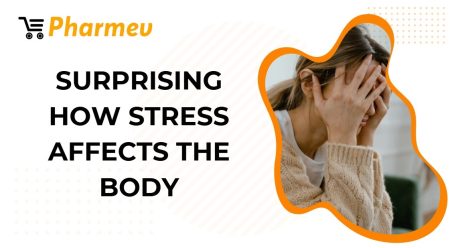
Stress is one of the major physical effects of sexual deprivation. Stress-relieving chemicals are released during sexual engagement, especially during an orgasm. In the absence of these natural stress relievers, women could be more vulnerable to the physical side effects of long-term stress, including headaches, tense muscles, and digestive problems.
An increased sensation of tension, worry, or emotional strain that might interfere with day-to-day functioning is referred to as higher stress levels. Although stress is a natural part of life, it may have a detrimental effect on one’s physical and emotional well-being if it persists or becomes overpowering.
Stress is frequently a reaction to perceived difficulties or external demands, as well as internal elements like unreasonable emotions or self-expectations. Excessive or sustained stress can be detrimental, although some tension is motivating and can aid in job completion.
Consuming foods high in nutrients that promote both mental and physical well-being can help manage stress and elevate mood. To aid in your body’s recovery from everyday stress, try to get between seven and nine hours of good sleep every night.
- Impairment of the Immune System
Increased circulation and hormone modulation are two reasons why regular sexual activity is linked to better immune function. On the other hand, a compromised immune system brought on by sexual deprivation may make women more vulnerable to infections and diseases.
A compromised immune system means that the body is less able to protect itself from infections, illnesses, and other dangerous intruders. The immune system is essential for defending the body because it recognizes and combats dangerous things including viruses, bacteria, fungus, and cancer cells. The body might have a harder time recovering from infections and is more susceptible to diseases when the immune system is compromised.

- Disturbances in Sleep
Because sexual activity lowers cortisol levels and releases oxytocin, it frequently encourages better sleep. Women may have trouble getting to sleep or staying asleep when these advantages are taken away from them, which can result in exhaustion and a decline in productivity.
Sleep disturbances are any changes to the regular sleep cycle that impact the quantity, timing, or quality of sleep. Several problems, including feeling sleep-Deprivation, exhaustion, or agitated during the day, might result from these disruptions.
Since sleep deprivation can exacerbate stress, anxiety, and depression and impair cognitive performance, sleep disruptions are intimately related to mental health. Both physical and mental health need to address the underlying reasons for sleep disorders, whether through professional intervention, stress management, or better sleep hygiene. Actively addressing sleep issues can greatly enhance general health and quality of life if you or someone you know is experiencing them.
When Is the Right Time to See a Doctor About Sexual Deprivation?
If you believe that you only have sex seldom or if you are already experiencing the symptoms of depression, stress, or anxiety, you may wind up living a life devoid of sexual activity.
When you have symptoms like sexual hate, persistent unhappiness after having sex, difficulty having a powerful orgasm, or anxiety about closeness, it is ultimately best to contact a doctor.
Women’s sexual problems are problematic since they are typically associated with psychological and sexual emotions. Therefore, it is rare to detect any physical signs unless the illnesses are serious enough.
So don’t worry, even if you have been diagnosed with any kind of female sexual issue, you may talk to your doctor about using medications like Fildena XXX to treat it, even if they will only have short-term effects.
Physical manifestations of this may point to an underlying medical disease, such as metabolic issues, poor energy, or hormone imbalances. A physician can suggest suitable remedies and assist in identifying any physical health concerns.
Speaking with a healthcare provider might be beneficial if your everyday life is being negatively impacted by anxiety or stress brought on by sexual deprivation. They can offer therapy or coping mechanisms and assist you in managing your emotional reactions.
In particular, it may indicate underlying problems that need to be addressed if it is impacting one’s mental, emotional, or physical health. To manage any emotional difficulties, enhance your sexual health, and address relationship issues, you can get help and direction by speaking with a counselor, sex therapist, or medical professional. It’s critical to keep in mind that each person has different sexual needs and experiences and that getting treatment is a good first step toward achieving balance and well-being.
Impact on Emotion and Psychology:
- Feelings of distress
Your sex desire is likely to decline if you are preoccupied with other things or under a lot of strain. Stress can cause hormone levels to drop. Consequently, you can have issues like reduced libido or diminished sexual desire. You will be sexually Deprivation.
Both men’s and women’s sexual abilities might be impacted by stress, according to research published in Scientific Research and Essays. It’s difficult to escape the tension, though. Stress from a variety of sources, such as marital issues, the loss of a loved one, money concerns, additional job obligations, etc., has a significant impact on the desire for sex. Stress management strategies, such as breathing exercises, meditation, a therapist’s technique, etc., can be used to control the stress.
- Relationship Impact
Relationship issues including trust issues, intimacy issues, or communication breakdowns between partners might make you less sexy. Stress and despair brought on by this issue lower sex drive in both males and girls.
Emotional bonds are sometimes strengthened by physical tenderness. Without it, partners might feel as though their needs aren’t being satisfied or that they aren’t being emotionally fulfilled, which could cause uneasiness or resentment.
Feelings of inadequacy, dissatisfaction, or even self-doubt may result from one partner feeling rejected if the other is not interested in having sex. One partner’s perception of their beauty or desirability may be impacted by this rejection, which may affect their self-esteem.
If these disputes are not settled, they may worsen over time. In addition to preventing efficient communication in other aspects of the relationship, resentment, and irritation can grow when the subject of sex is not freely discussed.

- Self-worth and assurance
Anxiety regarding sexual performance might result from low self-esteem or a lack of confidence. Depression, anxiety, and alcoholism are just a few of the more serious mental health issues that can ultimately result from low self-esteem. These factors are all to blame for females’ low libido and lack of sexual desire.
The inherent value and respect you accord yourself is known as self-worth. It’s about realizing that you deserve love, care, respect, and pleasure simply for being alive, not because of your accomplishments, how you look, or if other people think well of you.
In terms of self-worth, assurance is the faith and confidence you have in your skills, judgments, and position in the world. It’s about believing that you can handle whatever comes your way, trusting that you can overcome obstacles, and making decisions that are best for you.
Self-confidence and self-worth are vital components of a happy, healthy existence. You are more likely to face life’s obstacles with fortitude and optimism if you have confidence in your skills and self-worth. Setting limits, accepting your flaws, being self-compassionate, and identifying your strengths are all part of developing these traits.
Solutions and Coping Mechanisms:
Overcoming low libido or sexual deprivation requires effective communication. Quite significant, particularly for girls. Discussing sexual experiences and wishes should be done when both couples are seated together. It will be quicker to resolve issues if people share their sex-related experiences and emotions. This compromise may be a helpful strategy to meet both parties’ objectives. In addition to sexual deprivation, interpersonal issues, and stress can be resolved via this conversation. If you see a therapist, he will also use communication to help you get over your lack of libido or sexual desire.
In addition, he places a high value on non-sexual actions like kissing, holding hands, snuggling, and spending time together to foster closeness in a partnership. It makes the emotional bond between spouses stronger.
You can speak with a sex therapist or counselor if you have sexual deprivation and low libido. Through dialogue, partner communication, and stress-relieving treatment, a qualified expert may provide you with understanding and strategies for resolving your sexual issues. For both men and women, they occasionally prescribe medications like Cenforce 50 & Vidalista 60 mg, which are phosphodiesterase type pde5 inhibitors, to help with decreased libido.
It’s a common misconception that closeness entails sexual engagement. Numerous non-sexual activities foster emotional and physical closeness. Focusing on non-sexual behaviors like holding hands, kissing, hugging, sitting next to each other, and having deep talks is something that many therapists advise. By bringing you closer together, all of these activities enable you to enjoy the sex you want. Deep emotional relationships are also facilitated by this practice.
Last Words:
As you can see, we’ve gone into great detail in this post on some of the danger factors that you will undoubtedly experience if you are experiencing sexual deprivation. A few strategies for regaining a regular sexually starved life and a fulfilling connection with your partner have also been discussed.
It is untrue, however, that it will always lead to conflict or strife. You may resolve the issue with open conversation, empathy, understanding, and physical and emotional connection. If required, seek expert assistance and give priority to fostering an emotional bond. Empathy, patience, and considering other options may all improve relationships.
If you’re willing to utilize medications to treat sexually transmitted diseases, you can consider purchasing medications from Pharmev Pharmacy.